The Shadow Behind the Empire: Why Fred Trump Jr.’s Tragic Life and Complex Relationship With Donald Defined a Dynasty
The public image of the Trump family is inextricably tied to an unyielding narrative of ambition, corporate dominance, and aggressive self-promotion. Yet, beneath the gilded skyscrapers and political rallies lies a foundational tragedy that shaped the psychology of the entire family: the short, turbulent life of Fred Trump Jr., Donald Trump’s older brother. While pop-culture commentary and sensationalized headlines sometimes frame the brotherly dynamic through a lens of extreme animosity, the reality was far more agonizing—a heart-wrenching clash between a sensitive, free-spirited older brother and a ruthless real estate empire that ultimately chewed him up and spat him out.
Born in 1938, Fred Trump Jr. was the golden-haired eldest son of Fred Trump Sr., making him the designated heir to the burgeoning real estate empire in Queens and Brooklyn. By all accounts, Fred Jr. possessed a warm, charismatic, and fun-loving personality that contrasted sharply with his father’s cold, hyper-demanding, and transactional worldview. However, Fred Jr. did not have the killer instinct required in the cutthroat world of New York real estate. He preferred a life of adventure, sports, and aviation, ultimately making the fateful decision to leave the family business and pursue his true dream: becoming a commercial airline pilot for TWA.
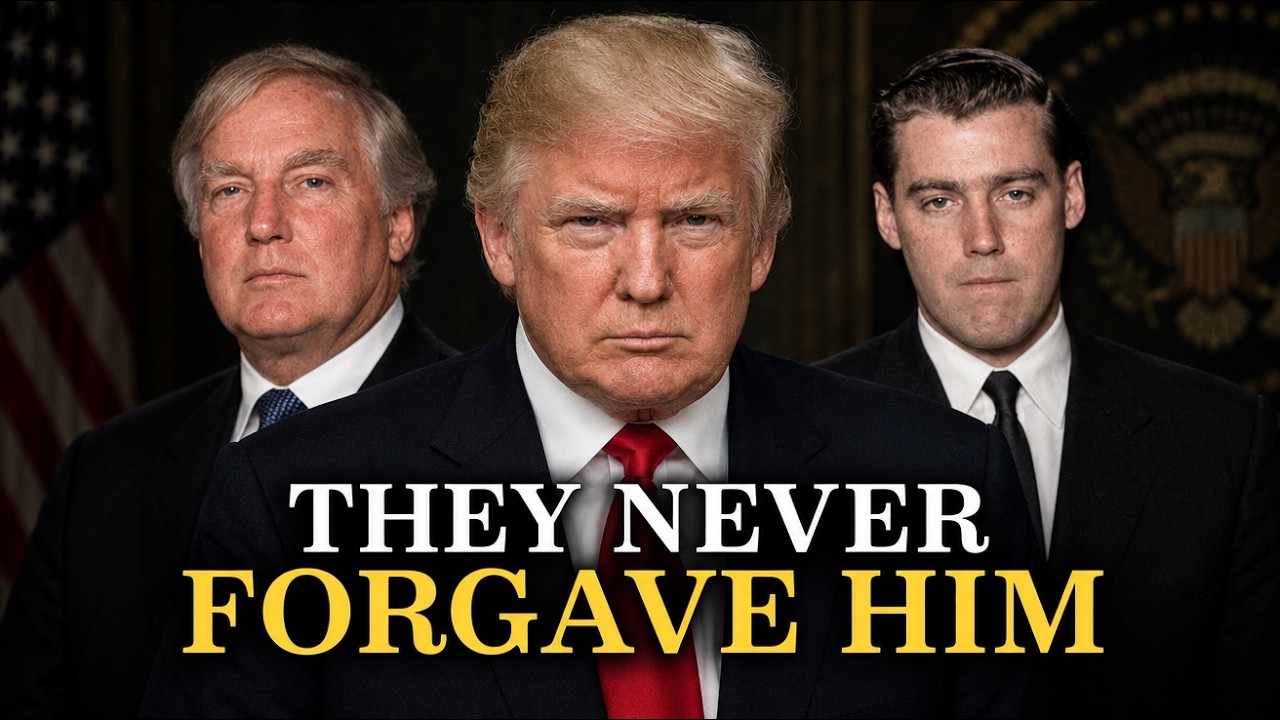
In the eyes of Fred Trump Sr., leaving the family business to fly airplanes was viewed as an unforgivable betrayal and a sign of utter weakness. Fred Sr. subjected his eldest son to relentless mockery, belittlement, and psychological pressure, publicly and privately humiliating him for failing to live up to the corporate standard. While a young Donald watched this brutal dynamic unfold, he absorbed a stark lesson about survival in the family ecosystem. Donald learned early on that weakness or failure to dominate would result in severe paternal castigation. Though Donald did not hate his older brother—in fact, he often expressed genuine fondness for Fred Jr.’s wit and charm—the toxic environment created a permanent psychological fault line within the family.
Crushed by the weight of his father’s relentless disappointment and the stress of his departure from the family fold, Fred Jr. began turning to alcohol to cope. Over the years, his heavy drinking spiraled into severe alcoholism, destroying his marriage, grounding his career as a pilot, and reducing him to working as a maintenance worker in one of his family’s properties. Donald later recounted that seeing his brilliant, charismatic older brother succumb to the grips of alcohol addiction left such a profound, terrifying impression on him that it drove his lifelong abstinence from alcohol and cigarettes. Despite occasional efforts by family members to help, Fred Jr.’s physical and mental health deteriorated rapidly. Tragically, on August 26, 1981, Fred Trump Jr. passed away alone in a hospital room at the age of forty-two after suffering a fatal heart attack brought on by complications from chronic alcoholism.
Fred Jr.’s death left an unhealed wound that reverberated through the family for decades, bursting into the open during subsequent estate disputes and political campaigns. Memoirs written by his daughter, Mary Trump, painted a devastating picture of a family dynamic where Fred Jr. was discarded by his father and marginalized by a younger Donald who stepped up to fill the vacuum of ambition. Ultimately, the tragedy of Fred Trump Jr. was not born of mutual brotherly hatred, but of a harsh, unforgiving family machine that demanded total conformity to power. His heartbreaking downfall remains the most defining, haunting ghost behind the rise of the modern Trump dynasty.


