Team USA’s frightening escape against Italy immediately produced criticism, suspicion, and another wave of sensational Caitlin Clark conspiracies.
The most explosive allegation claimed Nike launched a multimillion-dollar lawsuit after Clark exposed deliberate coaching sabotage.
Viral posts accused Kara Lawson and Stephanie White of conspiring to destroy Clark’s performance and signature-shoe sales.
They further claimed furious Nike executives demanded a federal investigation capable of sending both coaches directly to prison.
A supposedly ruthless legal document was promoted as definitive evidence that America’s national basketball program faced unprecedented corruption.
However, no verified lawsuit, federal filing, corporate announcement, criminal complaint, or authenticated document supports those extraordinary allegations.
Nike’s official newsroom contains information about Clark’s signature partnership, logo, merchandise, and upcoming footwear collection.
It contains no announcement accusing Lawson, White, USA Basketball, or FIBA officials of manipulating Clark’s performance.
USA Basketball likewise has not reported receiving legal papers, investigative demands, or complaints from Clark’s corporate sponsors.
No established news organization has produced a case number, courthouse, plaintiff, defendant list, or filed legal document.
Those missing details matter because an actual multimillion-dollar lawsuit would create a publicly identifiable procedural record.
A legitimate filing would specify jurisdiction, legal claims, alleged damages, requested remedies, and attorneys representing the parties.
Instead, the circulating story provides emotional accusations while withholding every ordinary detail needed to verify its existence.
The real events began during America’s second World Cup group-stage game against an inspired Italian national team.
Team USA entered as overwhelming favorites after defeating China 94–61 during its tournament opener in Berlin.
Clark had starred against China, recording fourteen points, eleven assists, three rebounds, and no turnovers from the bench.
Her eleven assists established a United States record for a player making a Women’s World Cup debut.
That brilliant opening created enormous expectations before America encountered Italy’s physical defense and carefully controlled offensive tempo.
The following game became almost unrecognizable as both teams struggled desperately to create efficient scoring opportunities.
America escaped 55–52 after producing its lowest offensive total in a major international game since 1971.
The champions reportedly shot approximately twenty-nine percent overall and only eight percent from three-point territory.
Italy also struggled offensively but remained close enough to attempt a potential tying shot during the final possession.
That attempt missed, allowing America to preserve its historic winning streak despite an unmistakably alarming performance.
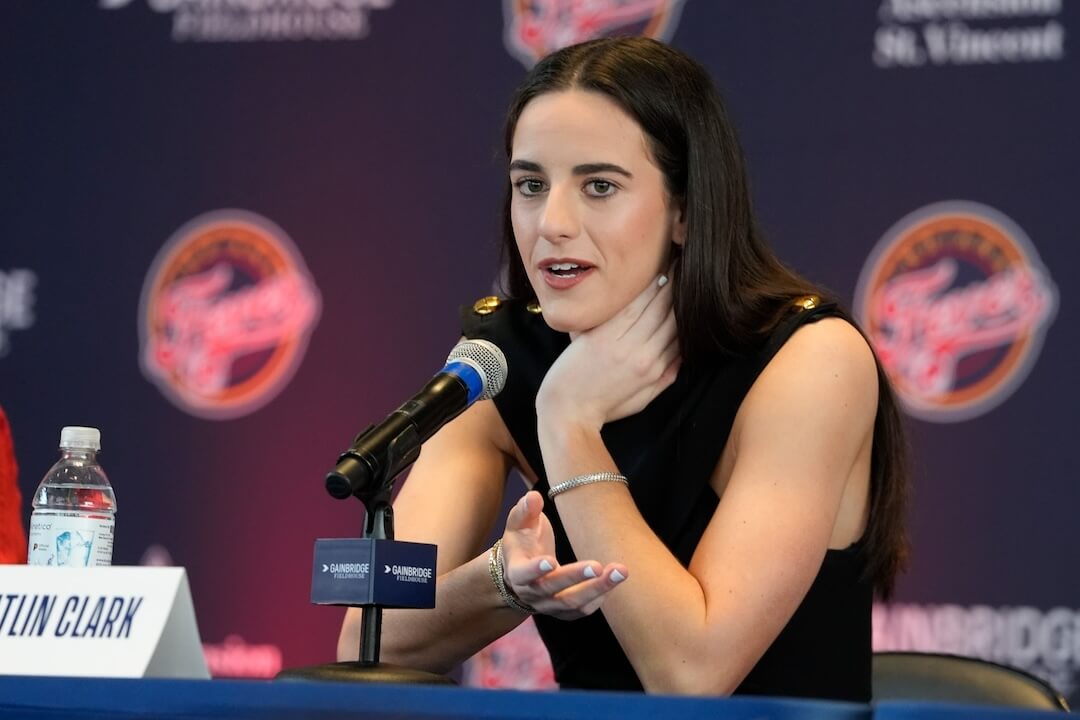
Clark experienced one of the poorest shooting games of her professional and international basketball career.
She scored only one point while missing all six field-goal attempts, including three shots from long distance.
Clark still collected four rebounds, two steals, and one assist during approximately eighteen minutes of action.
Her difficult performance instantly became the foundation for claims that coaches had intentionally prevented her from succeeding.
But poor shooting alone does not establish sabotage, especially when nearly every American player struggled against Italy.
Paige Bueckers, Breanna Stewart, and several established veterans also delivered unusually quiet offensive performances during the narrow victory.
Italy’s defensive pressure disrupted America’s spacing, passing rhythm, transition opportunities, and normally overwhelming frontcourt advantages.
The entire American team appeared uncomfortable, suggesting a collective tactical breakdown rather than an operation targeting one player.
Italy competed before 9,232 spectators and briefly led 50–48 during the game’s tense fourth quarter.
Jackie Young finished as America’s leading scorer with ten points, illustrating how completely Italy suppressed American offense.
Clark’s one-point total attracted the largest reaction because her previous game created such dramatically different expectations.
Against China, Clark attacked defensive gaps and repeatedly delivered passes before help defenders completed their rotations.
Against Italy, those openings disappeared while her perimeter shots refused to fall throughout every opportunity.
Basketball naturally produces those contrasts, even for elite scorers carrying extraordinary expectations from millions of supporters.
Turning an ordinary competitive failure into evidence of criminal interference requires considerably more than disappointing statistics.
No publicly available game footage demonstrates Lawson ordering players to ignore Clark or deliberately placing her into impossible situations.
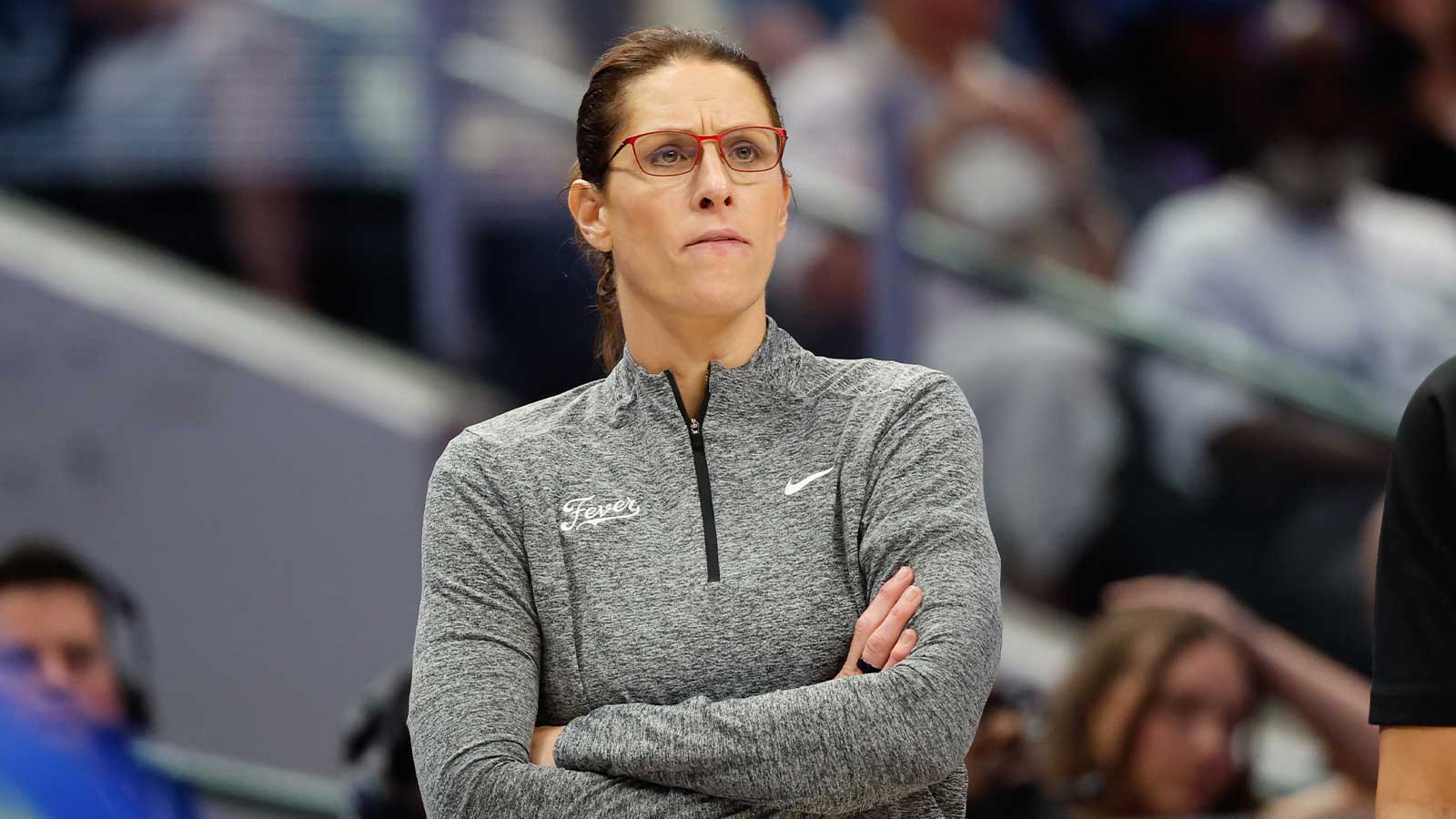
No authenticated communication shows White designing rotations intended to damage Clark’s reputation, contract, or commercial value.
No teammate has publicly accused either coach of manipulating possessions to reduce Clark’s scoring numbers against Italy.
Clark herself has not announced discovering a conspiracy or authorizing Nike to pursue criminal charges on her behalf.
The viral story also misrepresents Stephanie White’s overlapping responsibilities within Clark’s professional and international basketball environments.
White serves as Clark’s Indiana Fever head coach while also holding a role within USA Basketball’s coaching structure.
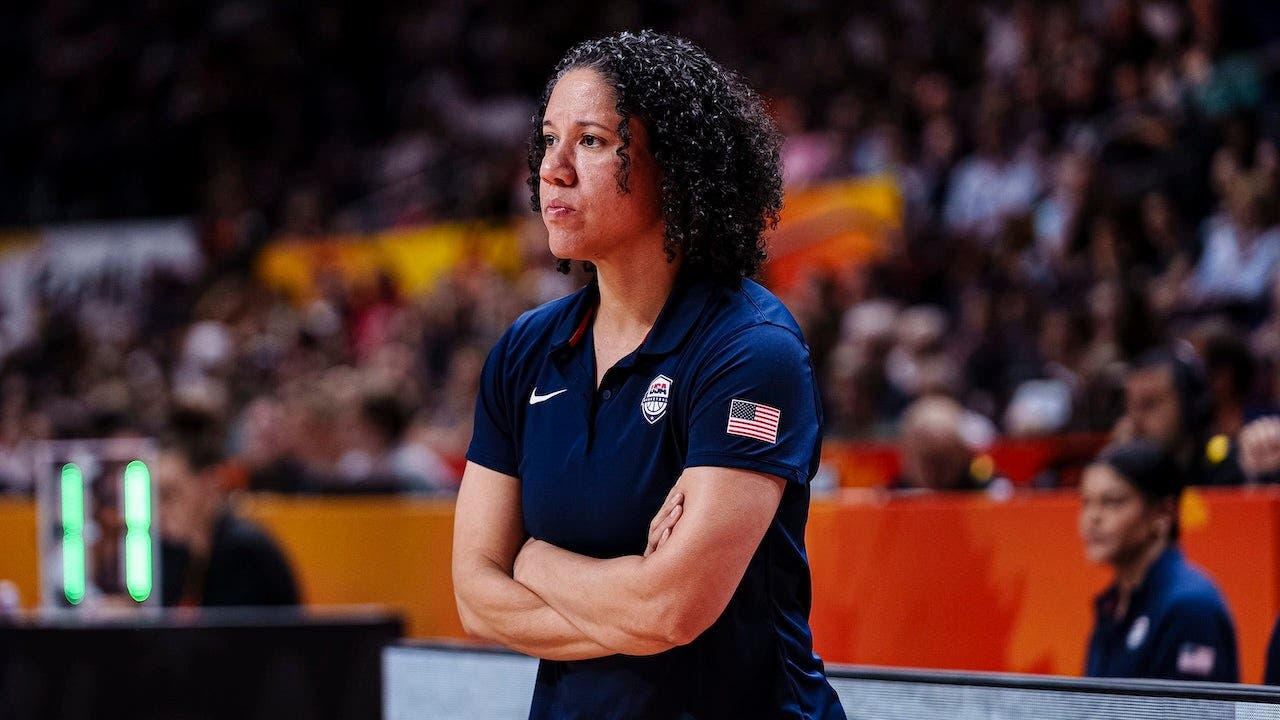
USA Basketball officially identifies both Lawson and White as national-team coaches, confirming their professional involvement with Clark.
That overlap supplies dramatic material because White understands Clark’s abilities better than most coaches at the tournament.
However, familiarity provides no evidence that White conspired with Lawson to deliberately damage her own Fever superstar.
Such behavior would undermine Indiana’s championship ambitions while damaging White’s credibility, employment, and professional basketball reputation.
A motive must therefore be demonstrated rather than assumed from a temporary disagreement over minutes or rotations.
Critics can reasonably question why Clark remained outside Lawson’s starting group despite her exceptional playmaking influence.
Lawson consistently opened games with Breanna Stewart, Jackie Young, Napheesa Collier, Kahleah Copper, and Chelsea Gray.
USA Basketball publicly documented that veteran starting lineup before the tournament entered its knockout stage.
Clark nevertheless received significant playing time and frequently directed America’s faster, younger, high-energy second unit.
Before the semifinals, she reportedly averaged 21.5 minutes, seven assists, and 8.5 points per World Cup game.
She led Team USA in average assists while producing substantial positive impact despite never receiving a start.
Those numbers contradict claims that Lawson attempted to erase Clark or guarantee her international failure.
The Italy disaster exposed legitimate concerns about Lawson’s system, especially its inconsistent spacing and half-court organization.
America sometimes appeared dependent upon individual talent rather than coordinated actions producing reliable high-quality shooting opportunities.
Clark frequently creates offense through transition pressure, deep shooting gravity, rapid passing, and aggressive paint penetration.
Those strengths could potentially improve a veteran lineup that repeatedly began important games with limited rhythm.
Questioning Lawson’s tactical choices therefore remains fair, necessary, and entirely separate from alleging criminal corporate sabotage.
Nike also possesses genuine commercial reasons to care about Clark’s performance, exposure, health, and public reputation.
The company officially introduced Clark as a signature athlete while emphasizing her enormous cultural and sporting influence.
Nike unveiled her interlocking-C logo and announced a signature footwear and apparel collection scheduled for 2026.
It described Clark as one of basketball’s most watched, impactful, and passionate athletes across the global game.
Nike also said Clark worked closely with designers while developing products reflecting her precision and personal identity.
That partnership unquestionably carries meaningful financial expectations for both the company and Clark’s expanding commercial brand.
However, sponsorship does not give Nike authority to control USA Basketball selections, rotations, or coaching decisions.
A corporate partner may protect contractual rights, request information, or respond when an athlete’s endorsement agreement is violated.
But one poor international performance does not automatically create fraud, conspiracy, contractual interference, or criminal misconduct.
Athletes occasionally struggle while wearing products from companies investing millions into their careers and marketing potential.
Sponsors understand performance volatility because competitive uncertainty remains the fundamental quality making professional sports valuable.
If Nike believed coaches intentionally harmed its commercial interests, any serious legal response would require documented supporting evidence.
That evidence might include communications, financial analysis, witness testimony, contractual provisions, and proof of deliberate interference.
None of those materials appeared alongside the viral headline promoting an allegedly chilling multimillion-dollar legal document.
The story provides no readable filing, attorney signature, court stamp, docket identifier, or verifiable service confirmation.
A photograph containing legal-looking pages would still require authentication before proving any genuine court action occurred.
Documents can be edited, generated, miscaptioned, or removed from unrelated proceedings before circulating across social platforms.
Readers should therefore demand the complete document rather than accepting cropped screenshots and emotionally loaded descriptions.
The “federal investigation” claim creates additional legal confusion because Nike cannot order authorities to imprison basketball coaches.
A corporation can report suspected wrongdoing, provide evidence, request review, or pursue an appropriate civil lawsuit.
Federal investigators independently determine whether allegations fall within their jurisdiction and justify opening a criminal investigation.
Prosecutors then decide whether evidence supports charges, while courts determine guilt through established legal procedures.
Neither Nike executives nor Clark’s representatives can simply demand Lawson and White be immediately thrown into jail.
The viral language collapses reporting, investigation, prosecution, conviction, and sentencing into one impossible corporate command.
That mistake strongly suggests the headline was designed for emotional engagement rather than responsible legal reporting.
An actual federal case would also need an identifiable potential offense extending beyond ordinary basketball coaching decisions.
Choosing rotations, designing plays, reducing minutes, or criticizing performance generally remains within legitimate coaching authority.
Even a terrible tactical decision does not become criminal merely because it affects an athlete’s commercial popularity.
Proving intentional unlawful interference would require far more than fans believing Clark deserved additional shots or minutes.
The allegation that Lawson and White wanted to damage shoe sales appears especially unsupported by their professional incentives.
Clark’s rising popularity benefits the Indiana Fever, USA Basketball, broadcasters, sponsors, opponents, and women’s basketball broadly.
Her games attract large audiences while her highlights generate enormous attention across traditional and social media outlets.
White’s Fever organization directly benefits when Clark remains healthy, successful, visible, and commercially influential.
Lawson’s national team similarly benefits when Clark creates open shots and draws worldwide interest toward American basketball.
These incentives do not make misconduct impossible, but they make evidence essential before assigning such destructive motives.
The more plausible explanation for Italy involves inadequate preparation, physical resistance, missed shots, and international competitive growth.
America entered with enormous talent but limited preparation time compared with national teams developing systems across multiple years.
Italy slowed the contest, protected important spaces, contested perimeter attempts, and prevented America from establishing transition dominance.
The Americans missed open opportunities while becoming increasingly tense as the possibility of a historic defeat emerged.
Pressure affected decision-making, spacing deteriorated, and several players attempted difficult shots rather than trusting sustained ball movement.
Lawson addressed those collective failures directly after America escaped with the victory and preserved its tournament campaign.
She reportedly warned that talent alone would not deliver another championship against increasingly disciplined international opponents.
Lawson demanded greater passion, intensity, effort, and respect for teams capable of challenging America’s celebrated roster.
That locker-room speech criticized the entire group rather than secretly blaming Clark for the offensive collapse.
A public social-media clip of Lawson challenging her players therefore should not be confused with deleted evidence.
The footage actually weakened conspiracy claims because it presented her concerns as collective competitive accountability.
Lawson reportedly said America could not allow another opponent to display greater passion throughout an entire game.
Critics may debate her tone, timing, rotations, or offensive preparation, but those comments do not establish sabotage.
The claim involving Clark’s signature-shoe sales also lacks any publicly supplied financial information supporting alleged damage.
No verified sales report connects America’s Italy performance with an immediate collapse in Nike’s Clark-related merchandise revenue.
Nike’s official announcement stated her first signature footwear and apparel collection would debut during 2026.
It did not publish the multimillion-dollar sales losses described within posts accusing Lawson and White of interference.
Without launch figures, forecasts, regional sales, inventory information, or cancellations, the alleged damages remain impossible to evaluate.
Clark’s marketability was unlikely determined by a single low-scoring World Cup appearance during an undefeated tournament campaign.
Her appeal developed through record-breaking college production, transformative WNBA performances, passing creativity, and remarkable shooting range.
One difficult evening might generate criticism, but struggle can also deepen audience investment in an athlete’s response.
Indeed, Clark’s supporters became even more engaged after Italy, fiercely debating her role and defending her accomplishments.
That reaction demonstrates why commercial narratives cannot be reduced to scoring totals from one international contest.
Clark responded competitively during the quarterfinal against Hungary, recording ten points and nine assists in twenty minutes.
She combined with Gray for fifteen of America’s thirty-one assists during a dominant 108–56 victory.
That immediate recovery provides stronger evidence about Clark’s resilience than any unverified quote describing corporate retaliation.
FIBA later positioned Clark fifth on its Most Valuable Player ladder entering the tournament’s decisive weekend.
The organization highlighted her seven assists per game and ability to produce something special under pressure.
A player supposedly destroyed through deliberate coaching sabotage remained among FIBA’s leading individual award candidates.
Clark then endured another one-point performance against Spain, again struggling to convert her limited shooting opportunities.
However, America’s second unit helped reverse Spain’s early advantage before veterans controlled the fourth quarter defensively.
Team USA won 76–66 and advanced into another championship meeting against France in Berlin.
The broader tournament evidence therefore reveals inconsistency rather than a simple pattern proving deliberate performance destruction.
Clark produced record-setting playmaking, difficult shooting nights, major bench contributions, and uneven scoring across different opponents.
Those variations describe an athlete adapting to international basketball while competing within an exceptionally deep American roster.
They do not establish that coaches manipulated results to sabotage a sponsor’s commercial footwear launch.
A real investigation would examine game film, coaching instructions, substitutions, communications, contracts, and witness accounts systematically.
An online conspiracy begins with the desired conclusion and interprets every missed shot as confirmation of wrongdoing.
If Clark starts, supporters may argue public pressure forced Lawson to abandon an anti-Clark agenda.
If Clark remains on the bench, the same audience may describe continuity as additional evidence of corruption.
If teammates miss her while open, the play becomes intentional isolation rather than an ordinary decision-making error.
If Clark misses shots, coaches are accused of destroying her rhythm through calculated substitution patterns.
This structure makes the theory impossible to disprove because every possible outcome becomes evidence supporting its conclusion.
Responsible analysis instead asks what evidence would distinguish intentional sabotage from imperfect coaching and normal athletic variance.
Currently, publicly available evidence supports criticism of America’s execution but not allegations of corporate or criminal conspiracy.
There is no verified lawsuit announcing Nike as plaintiff against Lawson, White, or USA Basketball.
There is no credible report that Clark accused either coach of deliberately destroying her performance.
There is no authenticated legal document demanding millions in compensation for reduced signature-shoe sales.
There is no confirmed federal investigation seeking criminal charges or imprisonment connected with the Italy game.
What exists is a genuine Nike partnership, an awful American performance, and fierce debate surrounding Clark’s role.
Combining those three verified elements produces an emotionally powerful story, but it does not produce verified wrongdoing.
The actual controversy remains whether Lawson designed the best system for maximizing Clark within America’s deepest roster.
That question can be examined through minutes, lineup efficiency, passing opportunities, pace, spacing, and defensive assignments.
It can also be debated without falsely accusing identifiable coaches of crimes capable of destroying their careers.
Clark’s strongest answer will continue arriving through basketball rather than imaginary lawsuits or billionaire-sponsored federal raids.
Every assist, deep three-pointer, transition pass, and championship contribution strengthens her argument for greater responsibility.
Lawson and White must answer tactical criticism through clearer rotations, improved offensive structure, and better collective execution.
Nike will evaluate Clark’s commercial future through sustained cultural influence rather than one statistically miserable afternoon.
Until genuine filings emerge, the chilling lawsuit should be treated as unsupported content created to generate clicks.
The Italy game was nearly a historic American disaster, but available evidence identifies basketball failures, not criminal sabotage.
The real document changing everything remains the box score, and even that proves poor performance rather than conspiracy.


