In October 1957, American television audiences were introduced to a young boy whose curiosity, innocent mistakes, and endless questions would help create one of the most enduring family sitcoms in television history.
His name was Theodore Cleaver, but almost everyone called him Beaver.
He lived in the fictional town of Mayfield with his parents, Ward and June Cleaver, and his older brother, Wally. Their home was comfortable, their neighborhood seemed peaceful, and most family problems could be resolved with a little patience, a thoughtful conversation, and an important lesson about growing up.
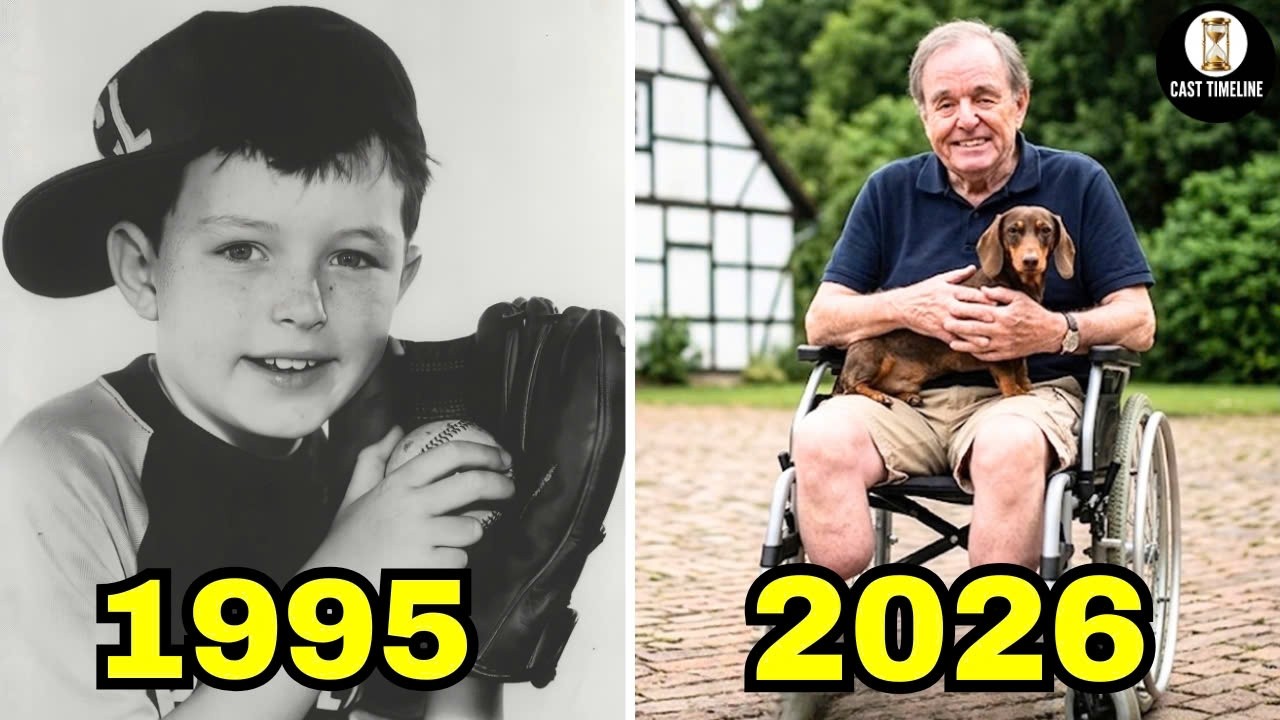
The series was Leave It to Beaver.
For six seasons, from 1957 to 1963, the program captured the ordinary adventures of childhood in a way that felt both entertaining and surprisingly authentic.
Beaver worried about school, friendships, punishment, and the confusing expectations of adults. Wally struggled with the responsibilities of adolescence, while Ward and June attempted to guide their sons through the inevitable mistakes of growing up.
Unlike many television comedies built around outrageous situations, Leave It to Beaver found humor in everyday misunderstandings.
A small lie could become an enormous problem. A simple school assignment could turn into a family crisis. An innocent attempt to impress a friend could lead to consequences that Beaver had never imagined.
The show’s warmth came from the fact that its characters were imperfect.
Beaver was not always obedient. Wally occasionally made poor decisions. Even Ward and June sometimes misunderstood their children.
But beneath those mistakes was a family whose members cared deeply about one another.
Nearly seven decades after the series premiered, Leave It to Beaver remains a powerful symbol of classic American television.
Yet the real lives of its performers were often far more complicated than the peaceful world of Mayfield.
Some became successful directors, journalists, businesspeople, and stunt performers. Others struggled with addiction, illness, or the difficulties of escaping childhood fame.
Many have since died, while several surviving cast members are now approaching or have passed their eightieth birthdays.
Their stories reveal a fascinating history of American entertainment, from the golden age of black-and-white television to the present day.
Stanley Fafara portrayed Hubert “Whitey” Whitney, one of Beaver’s familiar childhood friends.
Born on September 20, 1949, in San Francisco, California, Fafara was only eight years old when Leave It to Beaver premiered in 1957.
Whitey was part of the neighborhood group that surrounded Beaver throughout his childhood.
He appeared in school scenes, neighborhood adventures, and the ordinary misunderstandings that made the series feel believable.
With his blond hair and mischievous expression, Whitey became a recognizable member of Beaver’s circle.
He was not always responsible for the trouble, but he frequently found himself involved when Beaver and his friends made questionable decisions.
Fafara’s performance was natural and understated.
He did not need elaborate dialogue or exaggerated gestures to establish the character.
His presence helped create the impression of a real group of children growing up together.
But his life after the sitcom became considerably more difficult.
Following the end of Leave It to Beaver in 1963, Fafara struggled with substance abuse.
Alcohol and drug addiction eventually contributed to serious personal and legal problems.
The contrast between his television image and his adult experiences was heartbreaking.
Millions of viewers remembered him as an innocent child in a peaceful neighborhood, while the real actor was confronting challenges that were far removed from Mayfield.
Fafara eventually achieved sobriety in 1995.
He settled in Portland, Oregon, and worked to rebuild his life.
However, years of substance abuse had already affected his health.
He developed complications associated with hepatitis C.
Fafara died on September 20, 2003, his fifty-fourth birthday.
His death was a sad reminder that childhood television fame did not guarantee a happy or uncomplicated adult life.
Yet Whitey Whitney remains part of the show’s enduring appeal.
In the black-and-white episodes, he is still the cheerful neighborhood boy who helped make Beaver’s childhood world feel authentic.
Barbara Billingsley portrayed June Cleaver, one of the most recognizable mothers in American television history.
Born on December 22, 1915, in Los Angeles, California, Billingsley was forty-one when the series premiered.
June Cleaver became famous for her elegant appearance, carefully maintained household, and seemingly endless patience.
She was frequently seen wearing pearls, neatly styled dresses, and a calm expression even when her sons had created another problem.
But June was more than a decorative television mother.
She represented the emotional center of the Cleaver family.
When Beaver was frightened, embarrassed, or confused, June often provided the reassurance he needed.
When Wally struggled with the responsibilities of growing older, she offered advice without making him feel ashamed.
Her relationship with Ward was also central to the program.
The two parents occasionally disagreed about how to handle their sons, but their conversations usually reflected mutual respect and affection.
Billingsley played June with warmth and restraint.
She avoided making the character overly sentimental.
Instead, she created a mother who was loving, observant, and capable of recognizing that children sometimes needed room to make mistakes.
Before Leave It to Beaver, Billingsley had worked as a model and actress.
She appeared in several films and television productions, but June Cleaver became the role that defined her career.
After the original series ended, reruns introduced the character to generations of new viewers.
Billingsley later demonstrated her willingness to make fun of her wholesome image.
In the 1980 comedy Airplane!, she appeared in a memorable scene that humorously contrasted with her reputation as America’s ideal television mother.
She also returned as June in later Leave It to Beaver reunion productions.
Another generation came to know her voice through Muppet Babies, where she portrayed Nanny.
Billingsley died on October 16, 2010, at the age of ninety-four.
Her performance as June Cleaver remains one of television’s most enduring portrayals of motherhood.
Hugh Beaumont played Ward Cleaver, the thoughtful father whose conversations with his sons became a defining feature of the series.
Born on February 16, 1909, in Lawrence, Kansas, Beaumont was forty-eight when Leave It to Beaver premiered.
Ward was patient, responsible, and occasionally stern.
He believed in discipline, but he also understood that children needed explanations rather than punishment alone.
Many episodes concluded with Ward discussing Beaver’s mistakes and helping him understand why his actions had caused trouble.
Those conversations became an essential part of the show’s identity.
Ward rarely needed to shout.
His authority came from calmness and consistency.
Beaumont brought considerable dignity to the character.
Before Leave It to Beaver, he had worked extensively in film, radio, and television.
He appeared in several detective films portraying Michael Shayne and developed a reputation as a dependable leading and supporting actor.
His personal life included a strong religious commitment.
Beaumont earned a master’s degree in theology and worked as a Methodist lay minister.
That background was consistent with the thoughtful, measured personality he brought to Ward Cleaver.
However, Beaumont’s later years were marked by health problems.
He suffered a stroke in 1970, which affected his ability to continue working regularly as an actor.
He eventually moved away from Hollywood and spent time in Minnesota, where he pursued a quieter life.
Beaumont died on May 14, 1982, in Munich, West Germany, while visiting his son.
He was seventy-three.
His portrayal of Ward Cleaver remains one of the most recognizable father figures in American television.
Ken Osmond played Eddie Haskell, the charming troublemaker whose two-faced personality became one of the show’s greatest comic inventions.
Born on June 7, 1943, in Glendale, California, Osmond was fourteen when Leave It to Beaver premiered.
Eddie was Wally Cleaver’s friend, but he was rarely a positive influence.
Around adults, he behaved with exaggerated politeness.
He complimented Mrs. Cleaver, praised Mr. Cleaver, and acted as though he were the most respectful teenager in Mayfield.
But the moment the adults disappeared, Eddie’s real personality emerged.
He became sarcastic, manipulative, and eager to involve his friends in questionable schemes.
The contrast was hilarious.
Osmond played Eddie with remarkable confidence.
He understood that the character’s insincerity was funniest when it was completely obvious to the audience.
His overly flattering remarks became one of the sitcom’s most recognizable running jokes.
But the success of Eddie Haskell created a professional problem.
After the original series ended, Osmond found it difficult to escape the character.
Casting directors frequently associated him with Eddie’s personality, limiting his opportunities to play different roles.
Eventually, he chose a completely different career.
In 1970, Osmond joined the Los Angeles Police Department.
The transition from television troublemaker to real-life police officer was extraordinary.
He served for years in law enforcement and experienced genuine danger.
In 1980, he was shot during a foot pursuit.
His protective vest helped save his life.
The incident became one of the most dramatic events in his post-Hollywood career.
Osmond later returned to acting, reprising Eddie Haskell in The New Leave It to Beaver.
The revival allowed audiences to see the character as an adult.
He also remained connected to fans through public appearances and discussions of his television career.
Osmond died on May 18, 2020, at the age of seventy-six.
His legacy is unusual because Eddie Haskell became more than a sitcom character.
The name entered American popular culture as a description of someone who behaves politely around authority figures while acting very differently behind their backs.
Frank Bank portrayed Clarence “Lumpy” Rutherford, one of Wally’s most memorable friends.
Born on April 12, 1942, in Los Angeles, California, Bank was a teenager when he began playing Lumpy.
Lumpy was large, awkward, and frequently overconfident.
He could be intimidating toward younger children, but his plans often collapsed because he was not nearly as clever as he imagined.
His friendship with Wally and Eddie created some of the show’s funniest teenage situations.
Bank played the character with an entertaining combination of bluster and confusion.
Lumpy could act like a bully, but he was also easily embarrassed and frequently manipulated by Eddie.
That vulnerability made him more than a simple comic antagonist.
After Leave It to Beaver, Bank largely moved away from acting.
He found success in the financial industry, working as a bond broker in Los Angeles.
His professional life became very different from the Hollywood career that had made him famous as a teenager.
He eventually returned to portray Lumpy in The New Leave It to Beaver.
He also published an autobiography titled Call Me Lumpy, sharing memories of his years in television.
Bank died on April 13, 2013, one day after his seventy-first birthday.
His former castmates remembered him as a kind man whose real personality was very different from the sometimes obnoxious character he portrayed.
Stephen Talbot played Gilbert Bates, one of Beaver’s closest friends.
Born on February 28, 1949, in Los Angeles, California, Talbot was ten when Gilbert first appeared in 1959.
Gilbert entered the series as a new boy who had a tendency to exaggerate and invent stories.
His confidence frequently made his claims sound believable, even when they were completely ridiculous.
Beaver was particularly vulnerable to Gilbert’s influence.
The two boys often found themselves in trouble because Gilbert had convinced Beaver that a questionable idea was perfectly reasonable.
Over time, Gilbert became an important part of Beaver’s neighborhood world.
Talbot also appeared in other television productions, including Lassie, Perry Mason, and The Twilight Zone.
But he eventually decided that acting was not the career he wanted to pursue.
Instead, he moved into journalism and documentary filmmaking.
His professional work included investigative documentaries for public television.
He became associated with PBS, KQED, and Frontline.
His documentaries received major recognition, including Emmy, Peabody, and duPont-Columbia awards.
The transition was remarkable.
A former child actor known for portraying a boy who exaggerated stories became a respected journalist committed to investigating facts.
As of October 2026, Stephen Talbot is seventy-seven years old.
His career stands among the most impressive professional transformations of the original cast.
Richard Correll portrayed Richard Rickover, another member of Beaver’s circle of friends.
Born on May 14, 1948, in Los Angeles County, California, Correll was a child when he appeared in the series.
Rickover helped create the ordinary neighborhood atmosphere that made Leave It to Beaver so appealing.
He participated in schoolyard conversations, childhood adventures, and the minor schemes that frequently caused problems for Beaver.
Correll had already worked as a child actor in other productions.
His credits included Lassie, National Velvet, and The Adventures of Ozzie and Harriet.
But his most important professional achievements came behind the camera.
He developed a career as a television director, producer, and writer.
His work included popular series such as Happy Days, Family Matters, Hannah Montana, and Fuller House.
Over the decades, Correll directed hundreds of television episodes.
His work helped shape programs watched by generations of children and families.
As of October 2026, Richard Correll is seventy-eight years old.
His journey from a child actor in Mayfield to an experienced television director represents one of the show’s most successful behind-the-scenes careers.
Sue Randall portrayed Miss Alice Landers, Beaver’s patient and understanding teacher.
Born on October 8, 1935, in Philadelphia, Pennsylvania, Randall was in her early twenties when she joined the series.
Miss Landers was one of the adults Beaver could trust.
She understood that children sometimes made mistakes because they were confused rather than deliberately disobedient.
Her classroom was an important setting for the show.
Many of Beaver’s problems began at school, where he struggled to understand assignments, social expectations, and the behavior of his classmates.
Miss Landers provided guidance without unnecessary harshness.
Randall played the character with warmth and intelligence.
Her performance helped make the school environment feel safe and believable.
Outside Leave It to Beaver, Randall appeared in numerous television productions.
Her credits included The Twilight Zone, Gunsmoke, Bonanza, and The Fugitive.
She also appeared in the 1957 film Desk Set.
Randall eventually retired from acting.
Her later years were marked by serious illness.
After developing cancer, she underwent difficult medical treatment.
She died on October 26, 1984, at the age of forty-nine.
Her death came far too early.
But Miss Landers remains one of the show’s most memorable supporting characters.
Tony Dow portrayed Wally Cleaver, Beaver’s older brother and one of the most beloved teenage characters of early American television.
Born on April 13, 1945, in Hollywood, California, Dow was twelve when Leave It to Beaver premiered.
Wally was athletic, friendly, and generally responsible.
He sometimes teased Beaver, but he was also protective of his younger brother.
Their relationship became one of the most authentic aspects of the series.
Wally understood the pressures of adolescence, including friendships, dating, school, and the desire to become more independent.
Beaver looked up to him, even when he refused to admit it.
Dow and Jerry Mathers developed a natural on-screen chemistry.
Their conversations felt like those of real brothers.
Wally could be impatient with Beaver’s questions, but he was usually willing to help when the younger boy faced a serious problem.
Dow had relatively little acting experience before landing the role.
Yet he quickly became one of television’s most recognizable young performers.
After the original series ended, he continued working in entertainment.
He later returned as Wally in The New Leave It to Beaver.
But his creative interests extended beyond acting.
Dow became a television director, working on productions including Coach, Babylon 5, and Star Trek: Deep Space Nine.
He also developed a serious interest in sculpture.
His bronze artworks attracted professional attention and were exhibited publicly.
Sculpture provided him with a creative identity separate from his childhood television fame.
Dow died on July 27, 2022, at the age of seventy-seven, following cancer.
His death was particularly emotional for fans because Wally had been such an important part of the show’s central family.
For generations of viewers, Tony Dow remains the older brother who could offer advice, make a joke, and help Beaver navigate the confusing world of childhood.
Buddy Joe Hooker played Chester Anderson, one of Wally’s teenage friends.
Born on May 30, 1942, in Vallejo, California, Hooker was fifteen when the series premiered.
Chester appeared alongside Wally and other neighborhood teenagers.
He helped establish the social world of the older Cleaver brother.
Unlike Eddie Haskell, Chester was not constantly attempting to manipulate everyone around him.
He was part of the ordinary group of boys discussing school, sports, girls, and the problems of adolescence.
Hooker’s later career took a dramatically different direction.
He became a professional stunt performer.
Over the following decades, he accumulated hundreds of stunt credits across film and television.
His work included productions such as Rules of Engagement, Grindhouse, Déjà Vu, and I Am Number Four.
He also worked as an assistant director.
His career required physical skill, precision, and a willingness to perform demanding action sequences.
The contrast with the quiet neighborhood scenes of Leave It to Beaver was striking.
As of October 2026, Buddy Joe Hooker is eighty-four years old.
His career demonstrates that childhood acting can lead to unexpected opportunities in entirely different areas of filmmaking.
Jeri Weil portrayed Judy Hensler, Beaver’s outspoken and frequently irritating classmate.
Born on May 15, 1948, in Los Angeles, California, Weil was nine when the series premiered.
Judy was bossy, confident, and often eager to point out Beaver’s mistakes.
She could be smug and competitive.
Her behavior made her a natural source of frustration for Beaver.
But the character also reflected a recognizable part of childhood.
Not every classmate becomes a friend.
Some children compete for attention, enjoy embarrassing others, or insist upon proving that they know more than everyone else.
Weil played Judy with enough confidence to make her memorable.
Her appearances helped create the social tensions of Beaver’s classroom.
After leaving the series, Weil gradually stepped away from acting.
She eventually pursued work outside Hollywood, including real estate.
Her adult life became considerably more private than her childhood television career.
As of October 2026, Jeri Weil is seventy-eight years old.
Judy Hensler remains one of the show’s most recognizable classroom personalities.
Robert “Rusty” Stevens portrayed Larry Mondello, Beaver’s food-loving and frequently nervous best friend.
Born on November 25, 1948, in Boston, Massachusetts, Stevens was eight when the series premiered.
Larry was one of the show’s most endearing child characters.
He enjoyed snacks, worried about punishment, and frequently found himself involved in Beaver’s latest misadventure.
The two boys often encouraged one another to make poor decisions.
But Larry’s nervous personality meant that he rarely handled the consequences particularly well.
His excuses and attempts to avoid responsibility created some of the show’s funniest moments.
Stevens appeared in dozens of episodes and became closely associated with the character.
He also worked on other television productions, including Shirley Temple’s Storybook and 77 Sunset Strip.
However, he left regular acting while still young.
In 1969, Stevens joined the United States Army.
He served in West Germany during the Vietnam War era.
After completing his military service, he pursued a quieter life outside entertainment.
He eventually worked in the insurance industry in New Jersey.
As of October 2026, Rusty Stevens is seventy-seven years old.
His portrayal of Larry Mondello remains one of the most affectionate memories associated with Beaver’s childhood friendships.
Richard Deacon played Fred Rutherford, Lumpy’s father and one of Ward Cleaver’s colleagues.
Born on May 14, 1922, in Philadelphia, Pennsylvania, Deacon was thirty-five when the series premiered.
Fred Rutherford was opinionated, competitive, and frequently convinced of his own importance.
He enjoyed discussing his son Clarence’s achievements, often presenting them in the most flattering possible way.
His conversations with Ward Cleaver provided a comic contrast.
Ward was generally thoughtful and restrained.
Fred was more likely to complain, boast, or turn an ordinary discussion into a competition.
Deacon’s distinctive appearance and deep voice made him particularly effective at portraying self-important authority figures.
He became even more widely recognized through The Dick Van Dyke Show, in which he played Mel Cooley.
Mel was the long-suffering producer frequently subjected to Buddy Sorrell’s jokes.
The role became another defining achievement in Deacon’s television career.
Away from acting, Deacon developed a strong interest in cooking.
He became an enthusiastic gourmet cook, hosted a Canadian cooking program, and published cookbooks.
His interest in microwave cooking was especially notable during a period when the appliance was becoming increasingly common in American households.
Deacon died on August 8, 1984, at the age of sixty-two, following a heart attack.
His portrayal of Fred Rutherford remains a memorable example of his ability to create humor through pompous, self-important characters.
Madge Blake played Margaret Mondello, Larry’s frequently worried mother.
Born on May 31, 1899, in Kinsley, Kansas, Blake was fifty-eight when Leave It to Beaver premiered.
Mrs. Mondello was often exasperated by her son’s behavior.
Larry’s appetite, excuses, and tendency to become involved in trouble gave her plenty of reasons to worry.
Blake brought energy and humor to the role.
She made Mrs. Mondello feel like a real mother attempting to understand a child who rarely made sensible decisions.
Her own professional journey was unusual.
Blake did not begin pursuing acting seriously until relatively late in life.
Her family had discouraged her theatrical ambitions when she was younger.
But she eventually entered the entertainment industry and built a successful career as a character actress.
Her credits included Singin’ in the Rain and The Real McCoys.
She became especially recognizable as Aunt Harriet Cooper in the 1960s television series Batman.
The role introduced her to a new generation of viewers.
Blake died on February 19, 1969, at the age of sixty-nine.
Her career demonstrated that success in Hollywood did not necessarily require beginning as a child or young adult.
Doris Packer portrayed Mrs. Cornelia Rayburn, the formidable principal of Beaver’s school.
Born on May 30, 1904, in Menomonie, Wisconsin, Packer was fifty-three when the series premiered.
Mrs. Rayburn represented school authority.
She was stern, direct, and capable of making Beaver extremely nervous.
A visit to her office usually meant that something had gone wrong.
But she was not simply a frightening disciplinarian.
She also cared about the children under her supervision.
Packer gave the character a combination of intelligence, dignity, and dry humor.
Her distinctive voice and commanding manner made her especially effective in authority roles.
Before television, she had worked extensively in radio.
She also served in the Women’s Army Corps during the Second World War.
Her later television credits included The Many Loves of Dobie Gillis, The Beverly Hillbillies, and The Andy Griffith Show.
She became a familiar supporting performer throughout the golden age of American television.
Packer died on March 31, 1979, at the age of seventy-four.
Her portrayal of Mrs. Rayburn remains an important part of the school’s atmosphere in Leave It to Beaver.
Pamela Baird played Mary Ellen Rogers, one of Wally Cleaver’s girlfriends.
Born on April 6, 1945, in Bexar County, Texas, Baird was thirteen when she began appearing in the series.
Mary Ellen was friendly, well-mannered, and considerably less troublesome than many of Wally’s other acquaintances.
Her relationship with Wally reflected the awkward innocence of teenage romance during the late 1950s.
The characters’ interactions were gentle and restrained.
They helped show Wally gradually moving from childhood toward adulthood.
Baird had already worked as a child actress before joining the series.
Her credits included My Friend Flicka and Bachelor Father.
She eventually moved away from acting during the 1960s.
Her later life centered on family, music, and religious activities.
She married Robert Hensley, raised five children, and became involved in Christian ministry.
The family participated in gospel music and church-related activities.
As of October 2026, Pamela Baird is eighty-one years old.
Her appearance as Mary Ellen remains a nostalgic reminder of the show’s gentle portrayal of teenage relationships.
Burt Mustin played Gus the Fireman, one of Beaver’s most trusted older friends.
Born on February 8, 1884, in Pittsburgh, Pennsylvania, Mustin was seventy-three when Leave It to Beaver premiered.
Gus worked at the local firehouse.
He was patient, friendly, and always willing to listen when Beaver had a question.
The character offered something different from the guidance provided by Ward and June.
Gus was not Beaver’s parent or teacher.
He was an older friend who could share practical wisdom without making the boy feel that he was being lectured.
Their scenes often involved simple conversations rather than elaborate comic situations.
Mustin’s career was extraordinary because he began professional screen acting relatively late in life.
Before Hollywood, he had worked as a salesman and participated in community theater.
He made his screen debut in his late sixties.
Once he entered the industry, he became remarkably busy.
His credits included The Andy Griffith Show, The Lucy Show, Petticoat Junction, and numerous other television productions.
His familiar appearance made him a natural choice for grandfatherly characters.
Mustin died on January 28, 1977, shortly before his ninety-third birthday.
His career remains an inspiring example of artistic success arriving late in life.
Diane Brewster portrayed Miss Canfield, one of Beaver’s earliest teachers.
Born on March 11, 1931, in Kansas City, Missouri, Brewster was twenty-six when the series premiered.
Miss Canfield helped establish the gentle atmosphere of Beaver’s early school experiences.
She was patient, understanding, and capable of guiding children through mistakes without unnecessary harshness.
Her classroom scenes reinforced the show’s belief that growing up involved learning through experience.
Brewster had already begun developing a television career.
She later became particularly recognizable as Samantha Crawford, a charming confidence woman in Maverick.
The role demonstrated her ability to portray a character very different from the kind teacher of Mayfield.
Her other credits included Cheyenne, The Fugitive, and Wagon Train.
She eventually reduced her acting work and focused more on family life.
Brewster died on November 12, 1991, at the age of sixty.
Her performance as Miss Canfield remains part of the show’s early charm.
And finally, there was Jerry Mathers, the actor whose face became inseparable from Leave It to Beaver.
Born on June 2, 1948, in Sioux City, Iowa, Mathers was nine years old when the sitcom premiered.
He portrayed Theodore “Beaver” Cleaver, the curious young boy whose attempts to understand the world created the show’s central stories.
Beaver was not a perfect child.
He made mistakes, misunderstood instructions, believed ridiculous stories, and sometimes tried to avoid responsibility.
But he was also fundamentally honest and good-hearted.
His problems usually began because he misunderstood what adults expected of him.
That innocence made him relatable.
Children recognized their own experiences in Beaver’s confusion.
Parents recognized the challenge of explaining complicated situations to someone who was still learning how the world worked.
Mathers played the character with extraordinary naturalness.
He rarely seemed to be delivering rehearsed dialogue.
Instead, he appeared to be a real child reacting to the situations around him.
His expressions, pauses, and occasional embarrassment made Beaver believable.
Before the sitcom, Mathers had appeared in commercials and films.
But Leave It to Beaver transformed him into one of America’s most famous child stars.
The role followed him throughout his life.
After the original series ended in 1963, Mathers continued his education and pursued interests outside acting.
He served in the California Air National Guard during the Vietnam War era.
He later attended the University of California, Berkeley.
He also worked in business before returning to entertainment.
In the 1980s, he reprised Beaver in reunion productions and The New Leave It to Beaver.
The revival allowed audiences to see the former child character as an adult with a family of his own.
It also reunited him with Tony Dow, Barbara Billingsley, Ken Osmond, Frank Bank, and other performers associated with the original series.
The revival demonstrated the strength of the audience’s affection for the Cleaver family.
Viewers who had grown up watching Beaver were now able to revisit the character at a later stage of life.
Mathers remained involved in public appearances and discussions of his television career.
He also became associated with health awareness and charitable activities.
As of October 2026, Jerry Mathers is seventy-eight years old.
He remains the performer most closely identified with the original series.
His childhood performance helped define the show’s identity and continues to attract viewers nearly seventy years after its debut.
Looking back at the cast in 2026 reveals a remarkable collection of lives.
The actors who portrayed the Cleaver family became part of American television history.
Barbara Billingsley created an enduring image of maternal warmth.
Hugh Beaumont gave television one of its most recognizable father figures.
Tony Dow portrayed an older brother whose loyalty and patience made him a favorite among viewers.
Jerry Mathers brought the central character to life with an authenticity that few child performers have matched.
But the supporting cast was equally important.
Ken Osmond made Eddie Haskell an unforgettable symbol of teenage insincerity.
Frank Bank gave Lumpy Rutherford a combination of arrogance and vulnerability.
Stephen Talbot made Gilbert Bates a convincing childhood troublemaker.
Rusty Stevens created one of the show’s most lovable friendships through Larry Mondello.
Jeri Weil gave Beaver a classroom rival whose confidence frequently caused frustration.
Sue Randall and Diane Brewster portrayed teachers who made Mayfield’s schools feel like caring communities.
Doris Packer provided the authority necessary to make the school environment believable.
Richard Deacon, Madge Blake, and Burt Mustin supplied memorable adult personalities beyond the Cleaver household.
Together, these performers created a fictional world that felt surprisingly complete.
The neighborhood contained friends, rivals, teachers, parents, and older residents.
Each character had a recognizable place in Beaver’s life.
That attention to ordinary relationships helped distinguish the series from many other television comedies.
The show was not built around spectacular events.
Its stories often involved situations that might seem insignificant to adults.
A missing homework assignment.
A misunderstanding between friends.
An embarrassing incident at school.
A broken household rule.
A small lie that became increasingly difficult to explain.
But to Beaver, these situations could feel enormous.
The writers understood that childhood problems were emotionally important even when their practical consequences were minor.
That understanding gave the series much of its authenticity.
The show’s portrayal of family life also reflected the cultural expectations of its era.
The Cleavers lived in a comfortable suburban home.
Ward worked outside the house.
June maintained the household.
Their sons attended school and participated in neighborhood activities.
The family represented a particular vision of middle-class American life during the late 1950s and early 1960s.
For some viewers, that image was reassuring.
For others, it reflected a social ideal that did not represent the full diversity or complexity of American family experiences.
Both observations can be true.
Leave It to Beaver presented a carefully constructed television world.
It was not a documentary about American childhood.
But within that world, it explored recognizable emotional experiences.
Children worried about disappointing their parents.
Older siblings struggled with responsibility.
Friends sometimes encouraged one another to make bad decisions.
Adults occasionally misunderstood the reasons behind a child’s behavior.
Those experiences remain familiar even when the social setting has changed.
The series also benefited from its unusual commitment to the child’s point of view.
Many family sitcoms treated children primarily as sources of comic disruption.
Leave It to Beaver frequently approached situations from Beaver’s perspective.
The audience understood why he had made a mistake.
Even when his decision was foolish, his reasoning often made emotional sense.
That perspective encouraged viewers to sympathize with him rather than simply laugh at his embarrassment.
Ward and June were important because they helped interpret the consequences.
Their conversations provided the moral framework of the stories.
But the emotional journey usually belonged to Beaver.
That balance helped the series appeal to both children and adults.
Young viewers recognized Beaver’s experiences.
Older viewers appreciated the challenges of parenting.
The show’s success continued long after its original broadcast.
Reruns introduced the Cleaver family to generations who had not been alive in 1957.
The black-and-white episodes became part of the television landscape.
The characters’ names entered popular culture.
June Cleaver became a recognizable symbol of the traditional television mother.
Ward Cleaver represented calm paternal authority.
Eddie Haskell became shorthand for insincere politeness.
And Beaver remained a symbol of childhood curiosity.
The passage of time has transformed the series into a historical record as well as an entertainment program.
Its clothing, furniture, automobiles, schools, and household routines reflect the period in which it was made.
The dialogue captures attitudes and expectations that have changed over the decades.
The performances preserve the work of actors who belonged to very different generations.
Burt Mustin was born in 1884, long before commercial television existed.
Madge Blake was born in 1899.
Barbara Billingsley and Hugh Beaumont began their careers in an entertainment world shaped by radio, theater, and early Hollywood filmmaking.
The child actors grew up during the rise of television as America’s dominant home entertainment medium.
Some remained in show business.
Others chose completely different professions.
Stephen Talbot became a journalist and documentary filmmaker.
Richard Correll became a prolific television director.
Buddy Joe Hooker developed a major career in stunt performance.
Frank Bank found success in finance.
Ken Osmond became a police officer.
Rusty Stevens served in the military and later worked in insurance.
Pamela Baird pursued family life and religious ministry.
Their careers reveal that childhood television fame was only one chapter in their lives.
The actors did not remain frozen in the roles that audiences remembered.
They became adults with responsibilities, ambitions, disappointments, and achievements beyond Hollywood.
Some faced serious difficulties.
Stanley Fafara struggled with addiction and died relatively young.
Sue Randall experienced devastating illness.
Ken Osmond survived a dangerous shooting while working as a police officer.
Tony Dow faced cancer in his later years.
Other performers lived long lives and continued pursuing creative work well beyond their original television success.
These experiences stand in sharp contrast to the reassuring world of Mayfield.
On television, most problems could be resolved before the closing credits.
In real life, the actors faced challenges that did not always have simple solutions.
That contrast gives the series a different emotional meaning in 2026.
Watching the episodes today means seeing performers who have grown older or died, preserved at a particular moment in their lives.
Tony Dow remains the teenage Wally Cleaver, even though the actor died in 2022.
Barbara Billingsley remains June Cleaver, calmly preparing dinner or offering advice, although she died in 2010.
Hugh Beaumont still sits with Beaver to discuss a mistake, despite having died in 1982.
Ken Osmond continues smiling politely at Mrs. Cleaver before delivering another sarcastic remark.
Frank Bank remains the awkward and overconfident Lumpy Rutherford.
And Burt Mustin is still waiting at the firehouse, ready to listen to Beaver’s latest concern.
Television preserves those performances in a way that ordinary memory cannot.
The actors’ voices, expressions, and timing remain unchanged.
Their work continues reaching audiences who were born decades after the original broadcasts.
That is one of the reasons classic sitcoms retain such emotional power.
They connect generations through familiar characters and recognizable experiences.
For older viewers, Leave It to Beaver may recall childhood evenings spent watching television with family.
For younger audiences, it offers a glimpse into an earlier period of American culture.
And for those interested in television history, it provides an extraordinary example of how an ensemble cast can create a fictional world that remains recognizable for nearly seventy years.
The series was never dependent upon elaborate special effects or expensive action sequences.
Its strength came from writing, characterization, and performance.
The actors made ordinary situations entertaining.
The relationships made the characters memorable.
And the emotional lessons gave the stories a sense of purpose.
By the time Leave It to Beaver ended in 1963, it had produced 234 episodes.
Those episodes became the foundation of a television legacy that continued through reruns, reunion productions, and later revivals.
The original cast could not have known how long their work would remain popular.
The child actors were simply growing up in front of television cameras.
The adults were performing roles in a successful family sitcom.
Yet together they created characters that became part of American popular culture.
In 2026, the surviving performers are elderly, and many of their colleagues are gone.
Their lives have followed paths that were impossible to predict when the first episode aired.
But the Cleaver family remains permanently associated with the innocence, humor, and occasional confusion of childhood.
Ward still offers thoughtful advice.
June still provides comfort.
Wally still looks out for his younger brother.
Eddie still pretends to be the most polite boy in the neighborhood.
Lumpy still gets himself into embarrassing situations.
Larry still finds another questionable idea irresistible.
And Beaver still asks the kinds of questions that make growing up such a complicated adventure.
Nearly seventy years after its premiere, Leave It to Beaver remains more than a nostalgic television comedy.
It is a reminder of the performers who shaped an era, the different lives they built after fame, and the extraordinary ability of television to preserve moments that would otherwise disappear.
The actors grew older.
Many said their final goodbyes.
But in Mayfield, childhood never truly ends.
The Cleaver house is still standing on screen, the neighborhood children are still finding trouble, and Beaver is still learning one more lesson about life.
For generations of viewers, that familiar world continues to feel like home.


