More than fifty years after its television debut, Little House on the Prairie remains one of America’s most beloved family dramas.
The series introduced generations of viewers to Walnut Grove, Minnesota, where the Ingalls family faced hardship, celebrated love, and embraced community.
Premiering on NBC in 1974, the historical drama transformed Laura Ingalls Wilder’s celebrated stories into an enduring American television phenomenon.
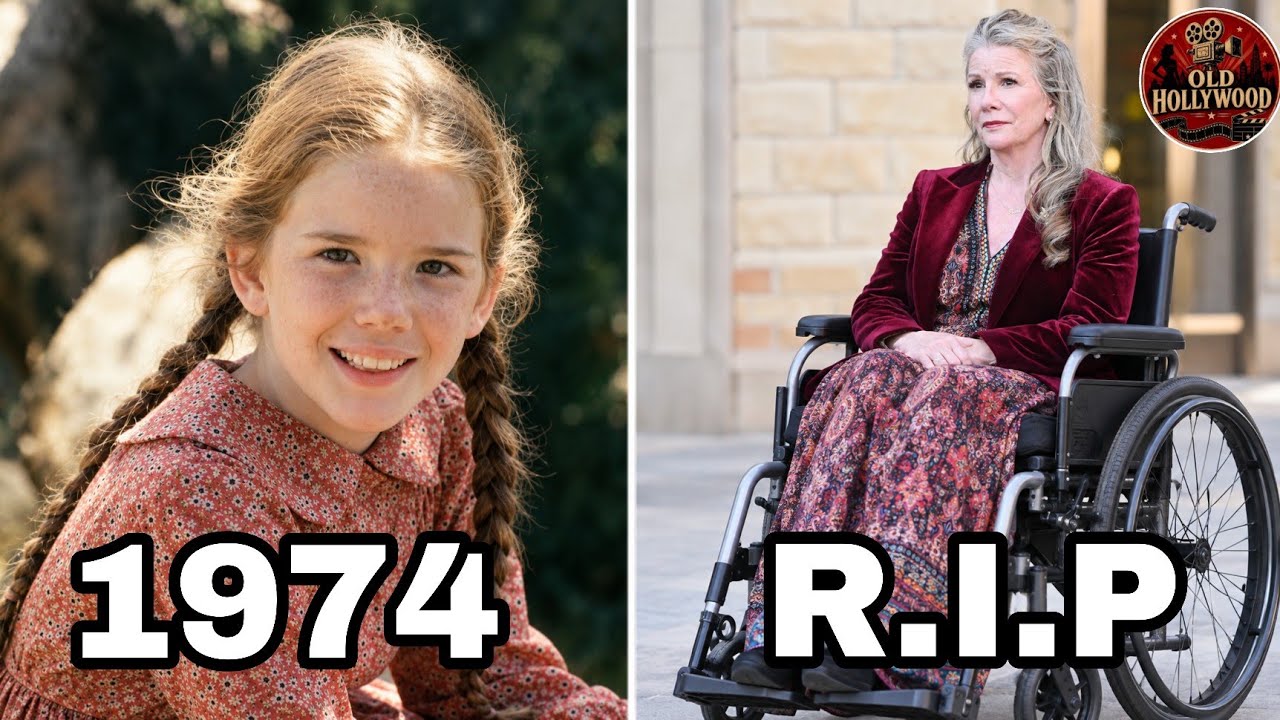
Its memorable characters reflected family loyalty, childhood adventure, personal sacrifice, and the everyday challenges of nineteenth-century frontier life.
Michael Landon, Melissa Gilbert, Karen Grassle, and their fellow performers created a fictional community that audiences embraced for decades.
Although the original television series ended in 1983, its cultural influence continued through reruns, reunions, and international audiences.
The show’s actors followed remarkably different paths after leaving Walnut Grove, from Hollywood success to private lives beyond entertainment.
Some became television legends, others developed unexpected careers, and several beloved performers died after leaving lasting artistic legacies.
In 2026, the Little House on the Prairie cast remains a subject of fascination for longtime fans and younger viewers.
Their stories reveal how a single television production helped shape careers while establishing relationships that survived its final episode.
Michael Landon became the defining creative force behind Little House on the Prairie through his portrayal of Charles Ingalls.
Born Eugene Maurice Orowitz on October 31, 1936, Landon developed an entertainment career that began long before Walnut Grove.
He achieved national recognition playing Little Joe Cartwright on Bonanza, one of American television’s most successful Western series.
That role established his reputation for charisma, emotional storytelling, and an ability to connect with family television audiences.
When Little House premiered in 1974, Landon assumed responsibilities extending far beyond his central performance as Charles Ingalls.
He served as an executive producer, writer, and director, shaping the series’ emotional tone and distinctive storytelling approach.
His portrayal of Charles emphasized responsibility, compassion, moral conviction, and determination during the family’s most difficult experiences.
Landon understood that audiences responded to characters who faced recognizable emotional challenges despite the show’s nineteenth-century setting.
The resulting stories explored poverty, disability, illness, prejudice, and family relationships through accessible and frequently sentimental television drama.
His influence extended into casting decisions, production methods, and the relationships that developed among younger performers during filming.
For Melissa Gilbert and other child actors, Landon became an important professional mentor during their formative entertainment careers.
After Little House, Landon created Highway to Heaven, another successful drama built around compassion and human relationships.
The series reunited him with Victor French, whose performances had already contributed significantly to Little House on the Prairie.
Landon played Jonathan Smith, an angel helping people confront personal difficulties while traveling alongside French’s character, Mark Gordon.
The program continued his preference for emotionally direct storytelling centered on kindness, responsibility, and the possibility of redemption.
In April 1991, Landon publicly disclosed that he had been diagnosed with pancreatic cancer, shocking viewers and colleagues.
His illness progressed rapidly, and he died on July 1, 1991, at the age of fifty-four years.
The loss devastated admirers who associated him with some of television’s most memorable portrayals of fatherhood and compassion.
More than three decades later, Charles Ingalls remains central to the enduring popularity of Little House on the Prairie.
Melissa Gilbert became equally important to the show’s success through her unforgettable performance as the spirited Laura Ingalls.
Born on May 8, 1964, in Los Angeles, Gilbert began working in entertainment during her early childhood.
Her casting as Laura transformed her into one of the most recognizable young actresses on American television during the 1970s.
Audiences watched Laura evolve from an impulsive, curious child into a determined young woman confronting increasingly complicated responsibilities.
Gilbert brought emotional authenticity to storylines involving friendship, rivalry, education, family hardship, and the challenges of growing older.
Her relationship with Michael Landon’s Charles Ingalls became one of the series’ most recognizable and emotionally powerful elements.
During her Little House years, Gilbert also appeared in television productions including The Miracle Worker and The Diary of Anne Frank.
These performances demonstrated her ability to portray demanding characters beyond the frontier setting that had established her fame.
After the series ended, Gilbert continued acting across television, film, and theater while developing interests in professional advocacy.
She became president of the Screen Actors Guild, representing performers during an important period for the entertainment industry.
Her professional recognition included a Hollywood Walk of Fame star, reflecting her longstanding contribution to American television entertainment.
Gilbert also published personal writing discussing her childhood fame, professional experiences, and relationships within the entertainment industry.
Her later career included stage performances and projects that allowed her to explore characters beyond Laura Ingalls.
As of October 2026, Gilbert is sixty-two and remains one of the series’ most recognizable surviving performers.
For generations of viewers, her interpretation of Laura continues representing the curiosity and determination associated with Wilder’s stories.
Karen Grassle brought emotional strength and quiet authority to Caroline Ingalls, the devoted mother of the television family.
Born on February 25, 1942, in Berkeley, California, Grassle developed her performance skills through theater and formal training.
Her background in stage acting helped establish the composed presence that distinguished Caroline from other television mothers.
Caroline frequently provided emotional stability while supporting her husband and children through financial difficulties, illness, and family disagreements.
Grassle portrayed the character with warmth and restraint, making Caroline an essential part of the show’s emotional foundation.
Her performance complemented Landon’s energetic interpretation of Charles, creating a partnership that audiences found convincing and reassuring.
Although Caroline was often portrayed as patient, the character also demonstrated independence, intelligence, and determination during challenging circumstances.
Grassle remained associated with the series through its original years before pursuing other opportunities in entertainment and theater.
Her later credits included appearances in Harry’s War, Wyatt Earp, and additional television and film productions.
She also maintained connections to theater, where her professional experience extended beyond the visibility of network television.
In 2021, Grassle published Bright Lights, Prairie Dust, a memoir examining her career and experiences during Little House.
The book offered her perspective on working relationships, personal challenges, and the complicated realities behind a beloved production.
Her reflections reminded readers that successful family entertainment can involve professional disagreements and demanding working conditions behind the scenes.
As of October 2026, Grassle is eighty-four, and Caroline Ingalls remains one of television’s most enduring maternal characters.
Melissa Sue Anderson portrayed Mary Ingalls, Laura’s older sister, whose storylines became increasingly dramatic during the series.
Born September 26, 1962, in Berkeley, California, Anderson began acting professionally while she was still a child.
Her performance presented Mary as intelligent, responsible, sensitive, and deeply committed to her family despite repeated personal hardships.
One of the show’s most memorable developments involved Mary’s loss of sight, which transformed her character’s future dramatically.
Anderson approached the demanding storyline with emotional seriousness, earning recognition for her portrayal of a young woman confronting blindness.
Her work received a Primetime Emmy nomination, establishing her reputation as a talented dramatic performer during adolescence.
Mary’s experiences also introduced audiences to questions about disability, independence, education, and the emotional consequences of unexpected loss.
After leaving Little House, Anderson continued working in television through guest appearances and other acting opportunities.
Her credits included Murder, She Wrote, The Equalizer, and Alfred Hitchcock Presents, among other familiar television productions.
She later devoted more attention to family life and maintained a comparatively private public presence outside Hollywood.
In 2010, Anderson published The Way I See It, recounting memories from her years on the series.
Her autobiography offered a personal perspective on childhood fame and the relationships formed during an influential television production.
Anderson became a Canadian citizen in 2007, reflecting another important development in her life beyond American television.
As of October 2026, she is sixty-four, and her portrayal of Mary remains central to the show’s legacy.
Katherine MacGregor created one of Walnut Grove’s most entertaining personalities through her performance as the outspoken Harriet Oleson.
Born January 12, 1925, MacGregor brought extensive theatrical experience to a character whose exaggerated behavior frequently generated comedy.
Harriet represented social pretension, personal vanity, and the conflicts emerging within a small community’s complicated social relationships.
Her arguments with Nels Oleson became recurring highlights, combining sharp dialogue with memorable physical and facial comedy.
MacGregor made Harriet entertaining without eliminating the character’s capacity for occasional kindness or unexpected moments of vulnerability.
The performance demonstrated how a skilled supporting actor could transform an antagonist into an essential source of entertainment.
After the series ended, MacGregor largely withdrew from mainstream screen acting and pursued interests connected with theater.
She remained involved in children’s theatrical activities, continuing to contribute her professional experience outside major television productions.
Her association with Harriet endured because the character’s personality was distinctive and instantly recognizable to longtime viewers.
MacGregor died on November 13, 2018, at ninety-three, leaving behind one of the show’s most memorable performances.
For Little House fans, Harriet Oleson’s exaggerated complaints and unmistakable personality remain essential elements of Walnut Grove nostalgia.
Richard Bull played Nels Oleson, the patient merchant whose calm personality balanced Harriet’s frequently dramatic behavior.
Born June 26, 1924, in Zion, Illinois, Bull developed a long professional career across theater and television.
His portrayal of Nels emphasized kindness, common sense, and the practical difficulties of managing a demanding household.
As proprietor of Oleson’s Mercantile, Nels occupied an important position within the fictional community’s everyday commercial life.
Bull’s restrained performance created humor through contrast, particularly when Harriet’s schemes produced increasingly complicated social consequences.
He appeared throughout the show’s nine-season run and returned for television movies connected with the original series.
His career also included numerous appearances in other productions, demonstrating versatility beyond the role that made him famous.
Bull maintained friendships with colleagues and remained appreciated by fans who remembered his understated contribution to the ensemble.
He died on February 3, 2014, at eighty-nine, with pneumonia reported as a cause of death.
His legacy survives through Nels Oleson, a character whose decency frequently restored balance to Walnut Grove’s disputes.
Alison Arngrim became one of television’s most memorable young antagonists through her portrayal of the mischievous Nellie Oleson.
Born January 18, 1962, in New York City, Arngrim entered the series during her childhood acting career.
Nellie frequently challenged Laura Ingalls through jealousy, manipulation, social rivalry, and schemes that entertained viewers across generations.
Arngrim transformed those confrontations into comic highlights, using exaggerated expressions and impeccable timing to create memorable scenes.
Her character’s blonde curls became an instantly recognizable visual feature, although the hairstyle depended upon a wig.
Despite their characters’ rivalry, Arngrim and Melissa Gilbert developed a friendship that continued beyond their childhood television years.
After Little House, Arngrim pursued theater, comedy, and television appearances while embracing the character’s enduring popularity.
She created a stage show drawing upon her experiences and later published the memoir Confessions of a Prairie Bitch.
The book explored her acting career, personal experiences, and the unexpected consequences of becoming a famous television antagonist.
Arngrim also became involved in advocacy activities, demonstrating interests beyond acting and nostalgic entertainment appearances.
As of October 2026, she is sixty-four and remains closely associated with the unforgettable Nellie Oleson.
Jonathan Gilbert portrayed Willie Oleson, Nellie’s younger brother and another mischievous member of Walnut Grove’s merchant family.
Born April 28, 1967, in California, Gilbert began his association with the show during early childhood.
Willie initially appeared as a troublemaker whose behavior frequently reflected his sister’s influence and his mother’s expectations.
As the series progressed, the character matured, allowing Gilbert to portray changes in responsibility and personal judgment.
His appearances extended across the original television run and into productions associated with the show’s concluding years.
Jonathan is also the adopted brother of Melissa Gilbert, creating an unusual real-life connection between rival fictional families.
Unlike his sister, Jonathan eventually moved away from acting and pursued academic and professional opportunities outside entertainment.
His education included Hamilton College and graduate business studies, leading toward a career connected with finance.
The transition demonstrated that childhood television success did not necessarily require a lifelong commitment to performing professionally.
As of October 2026, Jonathan Gilbert is fifty-nine, with Willie Oleson remaining his best-known television role.
Matthew Labyorteaux joined the series as Albert Ingalls, a character whose dramatic experiences expanded the family’s emotional storylines.
Born December 8, 1966, Labyorteaux began acting as a child and appeared in several television productions.
Before becoming Albert, he had portrayed a younger version of Charles Ingalls during an earlier Little House appearance.
Albert entered the narrative as an orphan who eventually became an adopted member of Charles and Caroline’s family.
His storylines addressed abandonment, belonging, addiction, illness, and the emotional consequences of difficult childhood circumstances.
Labyorteaux delivered performances that frequently demanded greater dramatic intensity than the show’s lighter family-centered episodes.
The television movie Little House: Look Back to Yesterday included a particularly emotional storyline involving Albert’s serious illness.
After the series, Labyorteaux continued acting in film and television while developing a substantial voice-performance career.
His credits included Deadly Friend and additional projects that expanded his professional identity beyond the prairie setting.
As of October 2026, he is fifty-nine, and Albert remains among the series’ most emotionally memorable characters.
Rachel Lindsay Greenbush and her twin sister Sidney shared the role of Carrie Ingalls during the show’s early years.
Born May 25, 1970, the sisters entered television acting when they were still extremely young children.
Their shared casting reflected the production advantages of using twins when filming demanding schedules involving very young performers.
The sisters alternated as Carrie, creating a consistent onscreen character while dividing the practical demands of filming.
Their combined credit became familiar to viewers who watched Carrie grow alongside her older sisters and parents.
The twins remained associated with Little House until 1982, after which their professional paths gradually changed.
Rachel later pursued additional acting opportunities before shifting toward education and interests outside the entertainment industry.
Her subsequent life included family responsibilities and academic pursuits, reflecting a transition away from childhood television fame.
As of October 2026, Rachel is fifty-six, and Carrie Ingalls remains a cherished character among longtime fans.
Victor French brought warmth and emotional complexity to Isaiah Edwards, one of Charles Ingalls’ closest friends.
Born December 4, 1934, in Santa Barbara, California, French developed his career through Westerns and dramatic television roles.
He frequently portrayed antagonists earlier in his career, making Isaiah Edwards an opportunity to demonstrate a different personality.
Edwards was loyal, compassionate, imperfect, and capable of emotional vulnerability beneath his rough exterior and frontier appearance.
His friendship with Charles became a central relationship, providing humor and support during many of the family’s challenges.
French temporarily departed the series for Carter Country before returning to the broader Little House television universe.
His creative partnership with Michael Landon later continued through Highway to Heaven, where he portrayed Mark Gordon.
The collaboration reflected a professional friendship that helped define two influential family-oriented television dramas across different decades.
French also maintained interests in theater and directing, contributing to productions beyond his most familiar television performances.
He died on June 15, 1989, at fifty-four, following a battle with lung cancer during his career.
His death preceded Landon’s by approximately two years, ending one of television’s most memorable creative partnerships.
Kevin Hagen became a trusted presence in Walnut Grove through his portrayal of the compassionate Dr. Hiram Baker.
Born April 3, 1928, in Chicago, Hagen pursued interests outside acting before establishing himself in entertainment.
His background included studies in international relations and work connected with the United States government overseas.
He entered acting professionally during adulthood and developed a career that included numerous Western television appearances.
On Little House, Dr. Baker represented medical knowledge, reassurance, and responsibility during the community’s most frightening emergencies.
The character frequently confronted illnesses and injuries while helping families navigate the limited medical resources of frontier life.
Hagen’s performance balanced professional authority with warmth, making Dr. Baker an essential figure within Walnut Grove.
His wider television career included appearances in science-fiction productions and other popular American dramatic series.
He also developed a theatrical presentation inspired by the character, extending Dr. Baker’s popularity beyond television broadcasts.
Hagen died on July 9, 2005, at seventy-seven, following complications associated with esophageal cancer.
His portrayal remains memorable because Dr. Baker embodied the compassion and practical wisdom central to the show’s themes.
Dean Butler joined Little House as Almanzo Wilder, the man who eventually became Laura Ingalls’ husband.
Born May 20, 1956, in Prince George, British Columbia, Butler began developing his acting career during young adulthood.
His arrival introduced a romantic storyline that accompanied Laura’s transition from childhood into marriage and adult responsibilities.
Almanzo was portrayed as hardworking, dependable, and independent, creating a relationship that became central to later episodes.
Butler’s chemistry with Melissa Gilbert helped audiences accept the characters’ evolving partnership and increasingly mature family circumstances.
After the series, Butler continued working in television, film, theater, and entertainment production across several decades.
His acting credits included The New Gidget, Desert Hearts, and appearances in other recognizable television productions.
He also participated in stage productions, demonstrating professional interests extending beyond his most famous screen character.
Later in his career, Butler developed substantial experience in television production and nonfiction entertainment programming.
His work included involvement with Feherty, a golf-focused interview series associated with the Golf Channel.
As of October 2026, Butler is seventy, and Almanzo Wilder remains the character most closely associated with him.
Merlin Olsen arrived at Little House with an established reputation from professional football rather than conventional acting.
Born September 15, 1940, in Logan, Utah, Olsen became one of the National Football League’s distinguished defensive players.
He played for the Los Angeles Rams and became associated with the celebrated defensive unit known as the Fearsome Foursome.
His athletic accomplishments eventually earned recognition in both the College Football Hall of Fame and Pro Football Hall of Fame.
Olsen later transitioned into television, where his imposing physical presence and calm demeanor suited Jonathan Garvey.
Garvey became a trusted friend of the Ingalls family and an important participant in Walnut Grove’s community life.
The character offered strength, loyalty, and emotional depth, helping broaden the show’s network of relationships beyond its central household.
Olsen subsequently pursued other television opportunities, including roles that drew upon his approachable and authoritative screen presence.
He also remained associated with broadcasting and commercial work after his athletic career had concluded.
In 2009, Olsen was diagnosed with malignant pleural mesothelioma, a serious cancer affecting the lining surrounding the lungs.
He died on March 11, 2010, at sixty-nine, leaving achievements in both professional sports and entertainment.
His portrayal of Jonathan Garvey remains an important chapter in a career that extended far beyond television drama.
Shannen Doherty joined Little House during its later seasons, years before achieving international recognition through other television dramas.
Born April 12, 1971, in Memphis, Tennessee, Doherty began acting professionally during childhood and quickly attracted attention.
She portrayed Jenny Wilder, a younger character introduced during the series’ final period of storytelling.
Although her time on Little House was comparatively brief, the role provided valuable early television experience.
Doherty subsequently appeared in Our House and other productions before becoming a major teenage television star.
Her portrayal of Brenda Walsh on Beverly Hills, 90210 established her as one of the era’s recognizable performers.
She later starred as Prue Halliwell on Charmed, expanding her popularity among viewers of supernatural television drama.
Her career included acting, directing, and podcast work while she faced significant personal and medical challenges.
Doherty publicly discussed her experience with breast cancer, raising awareness through interviews and updates about her treatment.
She died on July 13, 2024, at fifty-three, after years of confronting the disease and its complications.
Her career spanned more than four decades, demonstrating the lasting influence of an actress introduced to audiences during childhood.
Jason Bateman also began his television career on Little House before becoming a major figure in modern entertainment.
Born January 14, 1969, in Rye, New York, Bateman entered acting during childhood and quickly secured television opportunities.
He portrayed James Cooper Ingalls, a young character who became part of the Ingalls household through adoption.
Although his involvement was shorter than that of many original performers, it marked an important professional beginning.
Bateman continued working throughout the 1980s, developing a reputation as a talented young television actor.
He also began directing at an unusually young age, establishing interests that would eventually become central to his career.
His later performance in Arrested Development introduced him to another generation of viewers and earned significant critical recognition.
The comedy showcased his understated timing and ability to anchor unusual situations through restrained and sharply observed performances.
He subsequently starred in films and television productions that expanded his reputation beyond traditional family entertainment roles.
His work on Ozark further established him as both a dramatic performer and an accomplished television director.
The series attracted widespread attention for its tense storytelling, complex characters, and Bateman’s contribution behind the camera.
His professional recognition included major awards and a Hollywood Walk of Fame star honoring his entertainment career.
As of October 2026, Bateman is fifty-seven and remains among the most successful actors launched by Little House.
The contrasting careers of these performers illustrate how childhood fame can influence lives without determining their eventual directions.
Some remained committed to acting, while others pursued education, business, theater, publishing, or less public professional interests.
For those who continued performing, Little House frequently remained an important reference point within much larger careers.
For actors who withdrew from entertainment, the series preserved a connection with audiences despite decades outside Hollywood.
The deaths of Michael Landon, Victor French, Katherine MacGregor, Richard Bull, and other performers added poignancy to anniversary celebrations.
Fans also mourned Shannen Doherty, whose later achievements connected the prairie drama with several subsequent generations of television viewers.
Their performances continue through reruns and streaming, allowing audiences to encounter familiar characters regardless of the actors’ passing.
The show’s appeal depends partly on its ability to combine historical settings with emotions that remain recognizable today.
Stories about family loyalty, financial hardship, friendship, prejudice, and personal responsibility continue resonating with viewers across different generations.
The fictional community of Walnut Grove provided a setting where difficult subjects could be explored through accessible character relationships.
Its emotional approach sometimes relied upon sentimentality, but that quality also contributed to the show’s enduring popularity.
Michael Landon’s creative influence remained particularly significant because he shaped both the program’s visual identity and moral perspective.
His emphasis on family bonds helped establish a television environment that audiences remembered long after individual episodes ended.
Melissa Gilbert’s portrayal of Laura supplied a youthful perspective that made the stories engaging for children and adults.
Karen Grassle and Melissa Sue Anderson contributed emotional depth through characters facing responsibilities and hardships within the Ingalls family.
Meanwhile, the Oleson family introduced conflict and comedy, preventing the series from becoming exclusively solemn or sentimental.
Supporting performers such as Victor French, Kevin Hagen, and Merlin Olsen expanded Walnut Grove into a convincing community.
Later additions including Dean Butler, Matthew Labyorteaux, Shannen Doherty, and Jason Bateman helped sustain the show’s evolving narrative.
Their combined performances established a fictional world that remained recognizable even as characters and actors changed over time.
The series also influenced the development of family television by demonstrating the commercial appeal of emotionally ambitious historical drama.
Its stories often addressed subjects that challenged viewers while remaining accessible to households seeking shared entertainment experiences.
Although television production standards and audience expectations have changed considerably, Little House continues attracting new viewers through rediscovery.
For longtime fans, revisiting Walnut Grove offers nostalgia connected with childhood, family memories, and earlier periods of television.
For younger audiences, the show provides an introduction to historical fiction and the challenges of frontier family life.
Its enduring popularity also reflects the recognizable performances of actors whose professional careers developed in dramatically different directions.
In 2026, more than five decades have passed since viewers first encountered Charles, Caroline, Laura, and Mary Ingalls.
The original cast has experienced extraordinary successes, private transformations, professional reinventions, and the inevitable losses accompanying passing decades.
Yet their collective achievement remains visible whenever audiences return to the stories that established Little House on the Prairie.
The show continues reminding viewers that memorable television depends upon characters whose struggles feel meaningful beyond their historical setting.
Walnut Grove may have been fictional, but the performances that brought it to life remain part of American cultural history.
For millions of viewers, the Little House on the Prairie cast will always represent the enduring power of family storytelling.


