In 1912, photography preserved family memories with extraordinary intimacy, sometimes capturing grief that modern audiences find almost unbearable.
One particularly disturbing story describes a family portrait containing an unsettling secret concealed behind apparently ordinary Victorian clothing.
According to the circulating account, the mother’s eyes appeared strangely vacant, while her children stood motionless beside their parents.
Closer examination supposedly revealed something horrifying: the figures had been arranged to conceal the boundary between life and death.
The story claims that the parents remained alive, while the children standing beside them had already died.
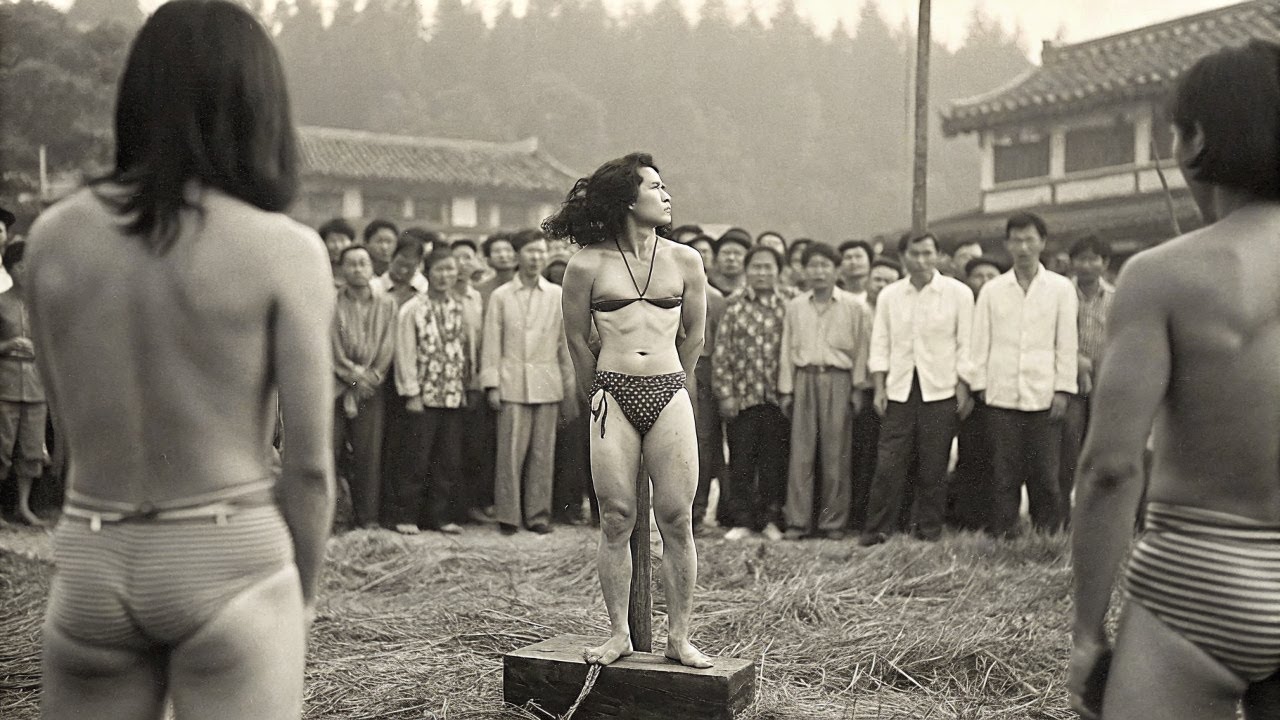
Yet the most important question concerns whether this extraordinary photograph actually exists as described in the sensational narrative.
Without an authenticated original, identifiable family, or documented photographic provenance, those dramatic details cannot be accepted as historical facts.
Nevertheless, the story draws upon genuine nineteenth-century mourning customs that reveal how families confronted death before modern medicine.
Postmortem photography was a real practice, although its methods and frequency have often been exaggerated in contemporary storytelling.
Understanding these photographs requires examining childhood mortality, Victorian mourning conventions, early photographic technology, and the economics of remembrance.
It also requires separating documented historical practices from frightening internet legends that transform ordinary portraits into supernatural mysteries.
During the nineteenth century, death occupied a much more visible position within everyday family life than many Americans recognize.
Infectious diseases, dangerous childbirth, workplace accidents, and limited medical treatments exposed households to losses that could arrive unexpectedly.
Children faced particularly serious risks, with epidemics and preventable illnesses frequently devastating families across Europe and North America.
Before widespread vaccination and effective antibiotics, illnesses considered manageable today could rapidly become fatal for vulnerable young patients.
Scarlet fever, diphtheria, tuberculosis, measles, and other infections could permanently alter a family’s future within only several days.
For grieving parents, photography offered something remarkably valuable: the possibility of preserving a recognizable likeness after death.
A final photograph could become a cherished personal possession, offering emotional continuity when physical contact was no longer possible.
Families sometimes commissioned portraits of deceased relatives because no suitable photograph had been taken during the person’s lifetime.
The resulting images were not necessarily intended to deceive anyone about whether their subjects remained among the living.
Instead, photographers often attempted to preserve dignity, individuality, and familiar appearances while respecting the expectations of mourning families.
Modern audiences encountering these pictures without context may interpret their careful arrangements as evidence of something sinister or cruel.
However, historical meaning depends upon understanding the intentions of participants rather than imposing contemporary fears upon unfamiliar customs.
The popular image of Victorian mourning frequently emphasizes black clothing, elaborate funerals, memorial jewelry, and an obsession with mortality.
These customs developed within societies where public demonstrations of grief could communicate respectability, family devotion, and religious conviction.
Queen Victoria’s extended mourning following Prince Albert’s death in 1861 helped shape contemporary perceptions of fashionable bereavement rituals.
Her continued attachment to Albert reinforced an influential cultural expectation that remembrance could remain visible for many years.
Yet mourning practices varied considerably according to religious traditions, social class, personal preference, geography, and family resources.
Not every grieving household followed aristocratic conventions, and many families expressed loss through comparatively modest domestic ceremonies instead.
Photography increasingly offered these families a practical alternative to painted portraits, expensive monuments, and other permanent commemorative objects.
The daguerreotype, introduced publicly in 1839, transformed portraiture by providing detailed likenesses without requiring the services of painters.
Although early photographic processes remained technically demanding, commercial studios gradually expanded access to portraiture throughout the nineteenth century.
By the 1850s and 1860s, photographic innovations had substantially changed the relationship between families and visual memory.
Ambrotypes, tintypes, albumen prints, and later gelatin-based materials offered different combinations of durability, affordability, and production speed.
As photographic businesses expanded, ordinary households increasingly acquired portraits that earlier generations might never have been able to afford.
Postmortem images represented one application of this growing technology, particularly when death occurred before a living portrait existed.
Infants and young children sometimes appeared sleeping peacefully, surrounded by bedding, flowers, toys, or other recognizable domestic belongings.
Such arrangements could soften the appearance of death while allowing parents to remember familiar expressions and cherished features.
Other photographs openly acknowledged death through coffins, funeral decorations, religious symbols, and the visible presence of grieving relatives.
These varied approaches demonstrate that no single visual formula governed postmortem photography across different communities or historical periods.
Some photographs portrayed deceased individuals alone, while others included parents, siblings, spouses, or additional members of the household.
Group compositions could preserve family relationships even when one participant had already died, creating an image of enduring connection.
For families facing repeated bereavement, such pictures sometimes became among the few surviving records of beloved children’s appearances.
The emotional significance of these objects is difficult to measure using modern standards of photographic comfort or propriety.
Nevertheless, their existence does not validate every disturbing claim attached to unidentified historical photographs circulating across digital platforms.
The allegation that deceased subjects were routinely suspended upright using hidden metal stands deserves especially careful historical examination today.
Victorian photographic studios certainly employed posing equipment designed to support living subjects during lengthy or technically demanding exposures.
Adjustable headrests, braces, and other stabilizing devices helped sitters maintain positions without introducing movement into the finished image.
These devices appear in surviving studio photographs, providing tangible evidence of ordinary equipment used by nineteenth-century portrait photographers.
However, identifying a posing stand does not establish that the person beside it was deceased when photographed originally.
Most such supports were intended for living customers, including children who struggled to remain still during photographic sessions.
The popular belief that metal stands routinely held corpses upright oversimplifies the physical challenges involved in postmortem portraiture.
A deceased adult presents substantial difficulties involving body weight, balance, positioning, and the inability to maintain muscular tension.
A slender studio brace capable of steadying someone’s head would not necessarily support an unsupported human body’s entire weight.
Even sophisticated arrangements would have required significant assistance, careful positioning, and additional structures beyond ordinary studio supports alone.
Consequently, sensational photographs allegedly showing standing corpses should not be authenticated solely through visible metal photographic equipment.
The distinction matters because many internet descriptions transform commonplace Victorian studio accessories into supposed evidence of concealed death.
Another persistent claim concerns photographers painting realistic pupils onto the closed eyelids of deceased people before taking portraits.
Certain historical photographs do feature painted eyes, but the precise technique and timing require careful distinction between practices.
Photographic retouching sometimes involved applying pigment directly to finished images, modifying eyes, facial features, clothing, and background details.
Artists could also color cheeks, enhance jewelry, restore damaged surfaces, or introduce visual effects missing from original exposures.
A painted appearance within a surviving photograph therefore does not prove that pigment touched the subject’s actual eyelids beforehand.
Furthermore, photographic artifacts, deterioration, lighting differences, and later alterations can create convincing illusions of strange facial expressions.
An apparently open eye might reflect retouching, while an apparently closed one could result from shadows or inadequate detail.
Without examining the original photographic material, confidently diagnosing painted eyelids from a reproduced image would be methodologically unreliable.
This uncertainty becomes particularly important when discussing the alleged 1912 portrait featuring parents surrounded by supposedly deceased children.
The circulating narrative offers no independently established identification of the photographer, surviving negative, original print, or family members.
Without such information, investigators cannot establish whether the picture documents postmortem photography or represents an entirely different scene.
Even the description of the photograph as Victorian requires clarification because Victoria’s reign had ended eleven years earlier.
The year 1912 belonged to the Edwardian era in Britain, although Victorian customs and fashions continued influencing families.
Elsewhere, similar dress, furniture, and photographic styles could persist without indicating a precise location or original production date.
Identifying an antique portrait from clothing alone can therefore introduce substantial chronological errors when photographic provenance remains unknown.
The same caution applies when interpreting faces, particularly expressions that appear rigid, uncomfortable, vacant, or unnaturally composed today.
Early portrait photographers frequently encouraged solemn expressions because smiling continuously could prove difficult during longer exposure requirements.
Portrait conventions also favored composure and seriousness, associating restrained facial expressions with dignity, respectability, and personal character.
By 1912, photographic exposures had become substantially faster, although traditional portrait poses remained culturally familiar and commercially popular.
A motionless expression in a photograph from that period does not automatically indicate illness, unconsciousness, or death.
Similarly, the absence of visible blinking provides no useful evidence because a still photograph records only one instant.
Every portrait captures subjects without showing the movement that occurred before or after the camera’s exposure was made.
Claiming that nobody blinked therefore creates dramatic suspense without establishing anything unusual about the people being photographed together.
The allegation becomes even less persuasive when applied to children whose expressions might appear stiff under formal studio instructions.
Children were commonly asked to remain composed, stand straight, and face the lens during carefully organized family portrait sessions.
Their clothing might appear unusually heavy because formal garments were selected to communicate respectability rather than physical comfort.
Dark velvet, high collars, elaborate dresses, and tailored jackets could conceal ordinary supports or create misleading visual shadows.
These fashion details might produce unsettling silhouettes without involving any deceased individual or unusual manipulation of human remains.
A disturbing interpretation can become especially persuasive when captions tell viewers what they should supposedly discover upon closer inspection.
Once readers expect painted eyes or concealed corpses, ordinary photographic irregularities may suddenly appear to confirm those expectations.
This psychological process illustrates how suggestive storytelling influences visual interpretation, especially when original context has disappeared completely.
The human brain searches for recognizable patterns, sometimes interpreting ambiguous shadows as facial features or evidence of movement.
When an image arrives accompanied by a frightening explanation, alternative possibilities become less apparent to its increasingly convinced audience.
Consequently, responsible historical interpretation must distinguish what the photograph visibly establishes from details supplied by its accompanying narrative.
One especially questionable element involves the claim that families routinely paid enormous fortunes for elaborate photographs of corpses.
Professional photography could certainly represent a meaningful household expense, particularly during the earlier decades of its commercial development.
However, costs varied considerably according to photographic process, local competition, image size, materials, and the customer’s financial circumstances.
By the early twentieth century, commercial photography was far more accessible than during the pioneering years of daguerreotypes.
Families could obtain photographic portraits through established studios, itinerant photographers, and increasingly convenient consumer photography technologies themselves.
The introduction of Kodak’s inexpensive Brownie camera in 1900 further accelerated the democratization of everyday family image-making activities.
Nevertheless, specialized photography associated with death could require additional travel, preparation, and careful handling beyond ordinary portrait sessions.
Some households undoubtedly considered these services expensive, but describing every commission as a fortune would be historically misleading.
The emotional value of a final portrait could exceed its monetary cost, particularly when no previous likeness existed.
Economic circumstances also shaped whether families hired professional photographers, relied upon relatives, or preserved entirely different mourning objects.
Wealthier households might commission elaborate memorial portraits, while poorer families depended upon comparatively simple photographs or handmade keepsakes.
The market for mourning materials extended beyond photographs into jewelry, printed memorial cards, textiles, wreaths, and funeral furnishings.
These purchases operated within a growing commercial economy that transformed private bereavement into a recognizable market for specialized services.
Funeral directors, photographers, florists, and suppliers increasingly developed businesses serving households during periods of profound emotional vulnerability and uncertainty.
Such commercialization sometimes drew criticism, particularly when observers believed elaborate mourning rituals imposed excessive financial burdens on families.
Yet commercial involvement did not eliminate sincere emotional attachment or automatically transform grieving households into victims of exploitation.
Parents purchasing a final photograph might have viewed it as an enduring expression of love rather than extravagance.
The moral question surrounding postmortem imagery therefore cannot be answered simply by examining the appearance of the finished photograph.
Calling the practice psychological torment assumes that participants experienced the ceremony through the same emotional expectations as contemporary viewers.
Historical families inhabited different cultural environments, where death frequently occurred inside homes rather than distant medical institutions.
Relatives often washed, dressed, watched over, and prepared deceased family members before professional funeral services became increasingly standardized.
Children might witness mourning rituals and encounter deceased relatives within the domestic spaces where ordinary family activities continued daily.
Such experiences could be distressing, but they also reflected the practical realities and social expectations of those communities.
A photograph taken during these rituals did not necessarily introduce an unfamiliar horror into an otherwise sheltered household.
Instead, the camera could preserve relationships that survivors understood through religious belief, familial duty, and continuing emotional attachment.
For some grieving parents, arranging a deceased child carefully might have represented one final opportunity to provide tenderness.
The resulting portrait could symbolize parental responsibility continuing beyond death rather than an attempt to deny mortality altogether.
Other families may have found such photography unbearable, declining to photograph deceased loved ones under any circumstances whatsoever.
Historical evidence supports recognizing this diversity rather than treating Victorian households as uniformly fascinated by death and suffering.
The practice of memorial photography also intersects with changing nineteenth-century understandings of childhood, affection, and family identity itself.
Industrialization and urbanization altered household structures, employment patterns, medical care, and the economic responsibilities associated with raising children.
At the same time, literature and religious culture increasingly emphasized sentimental images of childhood innocence and domestic affection.
The death of a child could therefore carry both devastating personal consequences and powerful symbolic significance within families.
Photographs helped establish a visual record of children whose lives might otherwise remain scarcely documented in surviving archives.
For historians, such images provide evidence concerning clothing, family relationships, photographic conventions, and changing attitudes toward grief.
Their value extends beyond sensational curiosity because they preserve individual experiences frequently excluded from conventional political histories.
Yet interpreting them responsibly requires recognizing that modern observers cannot directly reconstruct a bereaved family’s private emotional experiences.
A mother’s expression might communicate exhaustion, concentration, sorrow, physical discomfort, or something entirely unrelated to the photographer’s circumstances.
A father’s formal posture might reflect studio instructions rather than emotional detachment toward relatives appearing in the image.
The children standing nearby might be alive and healthy, despite visual details that sensational captions describe as suspicious.
Without corroborating records, assigning deaths, illnesses, or psychological conditions to unidentified photographic subjects would amount to historical invention.
The most reliable investigations begin with establishing provenance, including where a photograph originated and who preserved it afterward.
Studio markings, inscriptions, family albums, dated correspondence, and archival catalog descriptions can sometimes identify subjects and their circumstances.
Researchers may compare documented death records with photographic dates to determine whether an alleged postmortem interpretation remains chronologically plausible.
They can also examine photographic materials and construction methods to distinguish original prints from later copies or reproductions.
Physical inspection may reveal retouching, printing defects, alterations, or evidence that separate images were combined through photographic manipulation.
These techniques offer far stronger grounds for historical conclusions than dramatic captions or speculative interpretations of facial expressions.
Digitization creates additional challenges because photographs often circulate online after cropping, sharpening, colorization, or artificial visual modification.
Every transformation can remove contextual clues while introducing details that never appeared in the original photographic object itself.
Repeated online sharing may then detach an image from its original archive, photographer, location, and historical identification entirely.
Eventually, an unsupported explanation can appear authoritative simply because numerous websites repeat essentially the same compelling story.
This process illustrates a broader problem involving historical misinformation, especially where emotionally powerful images invite extraordinary interpretations online.
Sensational stories attract attention because they promise a hidden revelation that ordinary historical descriptions cannot easily deliver.
The alleged family portrait combines several effective narrative elements: innocent children, concealed death, painted eyes, and parental desperation.
Its most unsettling claim reverses expectations by presenting apparently living children as corpses while their parents remain alive.
That reversal transforms a conventional family photograph into a psychological puzzle designed to surprise and disturb contemporary audiences immediately.
However, emotional impact and factual reliability are separate qualities, and a compelling story can remain historically unverified altogether.
The narrative also exploits uncertainty surrounding photographic technology, suggesting that unfamiliar equipment proves extraordinary procedures actually occurred.
In reality, understanding period technology frequently provides ordinary explanations for features that initially appear disturbing or inexplicable today.
Metal posing supports, formal clothing, serious expressions, and retouched eyes all have documented contexts outside postmortem photography itself.
Their presence cannot independently establish whether the subjects were living, deceased, or photographed under unusual medical circumstances beforehand.
The question of whether mourning photography represents love or horror therefore begins with an important historical distinction.
Authentic memorial portraits can reflect compassion and remembrance, while invented accounts may deliberately exploit grief for entertainment value.
The unsettling appearance of an image tells viewers comparatively little about the intentions of the people originally involved.
Modern discomfort deserves recognition, but it should not automatically become a judgment against families facing extraordinary personal loss.
Likewise, historical acceptance of a practice does not establish that every participant found the experience comforting or beneficial.
Some children involved in mourning rituals may have experienced fear, confusion, or lasting distress that surviving records cannot reveal.
Others may have understood participation as a meaningful farewell within a family tradition emphasizing continuity and collective remembrance.
Neither possibility can be established for an unidentified family simply by examining their expressions in a reproduced portrait.
For the alleged 1912 photograph, the absence of verified provenance remains the decisive limitation on any confident interpretation.
No responsible historian could identify the standing children as deceased merely because an accompanying caption makes that dramatic assertion.
Nor could painted pupils be established without evidence distinguishing physical makeup from photographic retouching or later image manipulation.
The most defensible conclusion is that the narrative reflects authentic historical themes while presenting crucial unsupported factual allegations.
Victorian and Edwardian families did sometimes photograph deceased relatives, including children, as part of personal mourning practices.
They also employed ordinary photographic supports, commissioned retouched portraits, and followed conventions unfamiliar to many modern audiences today.
Those verified practices explain why fabricated or exaggerated postmortem photograph stories can appear superficially convincing to casual viewers.
Yet their existence does not establish that standing corpses were routinely bound into hidden structures for family photographs.
The documented history is emotionally complex enough without adding sensational techniques that cannot be demonstrated through surviving historical evidence.
What remains most striking is the human desire to preserve a loved one’s appearance against the passage of time.
Today, families maintain digital galleries, recordings, social media memorials, and personal archives that perform related emotional functions.
Technology has transformed the process of remembrance, but the underlying desire for connection remains remarkably consistent across generations.
A photograph can preserve an expression, a familiar face, or a fleeting moment that survivors fear forgetting forever.
For someone experiencing bereavement, the same image that unsettles strangers might provide deeply personal comfort and reassurance instead.
Understanding this difference requires historical empathy without abandoning the rigorous skepticism necessary for evaluating sensational claims about photographs.
The haunting 1912 story ultimately reveals as much about modern fascination with death as historical mourning customs themselves.
Its dramatic details invite fear, but the actual history of memorial photography offers a more complicated human experience.
Behind genuine postmortem portraits were families confronting loss with whatever emotional, cultural, and technological resources they possessed then.
Some images were solemn, others affectionate, and many reflected an effort to preserve dignity amid circumstances beyond anyone’s control.
The real tragedy was not necessarily the photograph itself, but the premature death that made remembrance necessary afterward.
Without authentication, the supposedly lifeless standing children remain characters in an unverified story rather than established historical victims.
And the alleged painted eyes remain an unsettling claim, not proof that any particular mother was photographed deceased.
Ultimately, the boundary between genuine grief and manufactured nightmare lies in evidence, context, and respect for historical individuals.
The most disturbing truth may be simpler than the legend: families feared forgetting those they could never hold again.


